This article may include affiliate links. We may earn a commission from purchases, at no extra cost to you. Read our disclosure.
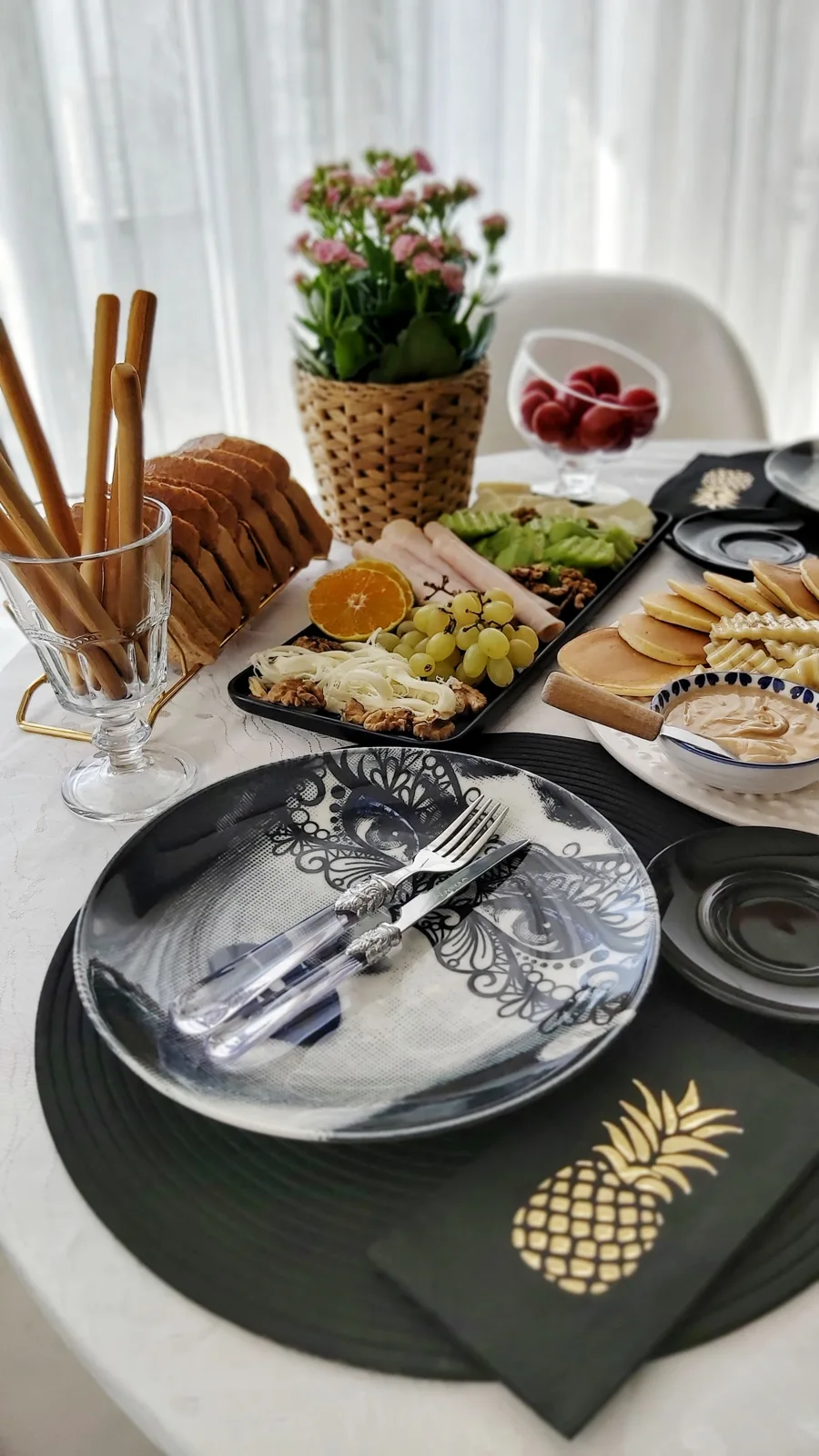
A cheese-and-fruit plate can be a modest meal or a shared addition without becoming an elaborate board assembled for its own photograph. Decide which role you mean before shopping. Then choose welcome foods, preserve their ingredient information and use appropriate handling guidance, leaving the arrangement to support people who may want different combinations.
Choose the meal's actual role
Ask whether the plate is replacing another planned dish, accompanying lunch or serving a different agreed purpose. A decorative spread does not tell guests what else to expect. Clear wording helps people make their own decisions about the gathering without guessing from the size of a photograph.
Keep a small menu you can explain. A familiar cheese, a fruit people want and an appropriate bread or cracker choice can each have a role. More varieties are useful only when someone genuinely wants them, not because the surface still shows a gap.
Ask about requirements before selecting products
Discuss important dietary requirements directly and appropriately privately. Use actual labels and suitable authoritative food guidance for ingredient, preparation and serving questions. Do not infer suitability from the word cheese, a product's colour or a previous version someone once enjoyed.
Keep the relevant product information available if packaging will be removed for serving. An attractive handwritten name can identify a choice while still leaving the actual ingredient and use information necessary for a particular question. Do not let styling make the food anonymous.
Give each component a practical place
Choose suitable serving ware and utensils through the actual products and foods. Consider how people will take what they want without reaching across unrelated pieces or using personal cutlery for a shared task. Separate dishes may be more manageable than one crowded display.
The table decoration guide helps keep the available space honest. A board that looks full from above should still leave room for the plates, glasses and movements required to eat the meal comfortably.
Leave combinations genuinely optional
Offer the choices without insisting on a particular pairing or order. Someone may want fruit and bread, another may choose a different combination and another may prefer something else. Personal preference does not need a public explanation to become valid.
Avoid unsupported claims about what a particular cheese or fruit must taste like to every person. You can share an actual product description appropriately while leaving the guest's response their own. A shared plate is a selection, not a test of whether people appreciate it correctly.
Include clearing in the plan
Follow relevant product and authoritative guidance for the complete handling, serving and remaining-food arrangement. Do not use a tidy appearance as evidence that food can simply stay available for an unspecified period.
The one-guest meal guide supports a manageable hosting decision. After the meal, complete the appropriate care and return of tableware and borrowed pieces. A useful cheese-and-fruit plate ends as clearly as it began: known foods, welcome choices and a routine that serves the actual gathering rather than the display.