This article may include affiliate links. We may earn a commission from purchases, at no extra cost to you. Read our disclosure.
Reusable bags can accumulate beside the door while you still forget to take one shopping. The problem is often the transition between storing and leaving, not a shortage of bags. A small station works when it connects clean suitable bags with the journeys you actually make and gives used ones a route back into the routine.
Begin by sorting the collection. Identify sizes and styles you use for groceries, errands, and other tasks. Check condition and care instructions. A bag with a damaged handle or an unsuitable closure should not remain in the active group simply because it folds neatly. Decide which items have a real role and which need repair, another appropriate use, or a suitable disposal route.
Choose a realistic number
Look at ordinary shopping trips and how much you comfortably carry. Keep enough suitable bags for those tasks, with a reasonable margin for your household. A large pile can hide the best options and make selection slower. Avoid retaining every promotional tote because it might become useful someday.
Consider handle length, grip, and the loads the maker intends the bag to carry. A broad shoulder strap may suit one journey while a short handle works better for another person. Do not assume a bag is appropriate for heavy shopping because it appears sturdy. Use product information and your own comfort within its limits.
Connect storage to departure
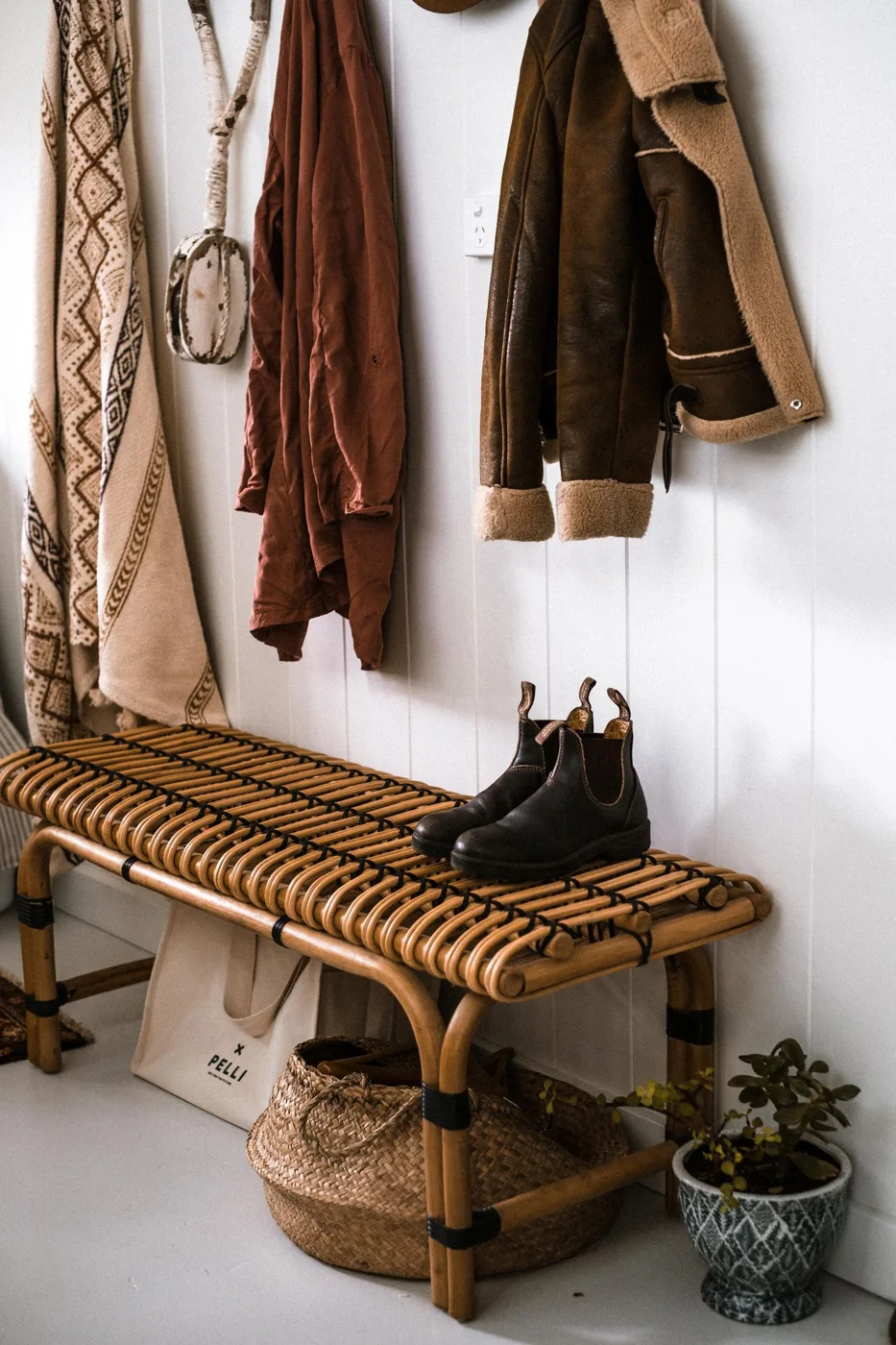
Choose a suitable place near an existing leaving routine without blocking the entrance or creating a trip hazard. A hook, small basket, or cupboard section can work if it is appropriate to the space and installed or used safely. The station should be visible enough to prompt use but contained enough to stay manageable.
If you usually shop from work or while already out, a home-door station may not solve the problem. Keep a suitable folded bag in the everyday bag or another appropriate location if that fits the routine. Check storage conditions and avoid leaving items in places where heat, moisture, or damage could make them unsuitable.
Distinguish food and other uses
Follow authoritative food-safety guidance about reusable bags, separation, and cleaning, particularly when carrying raw animal foods or items that could leak. A bag used for shoes, cleaning products, or dirty equipment should not automatically return to food shopping without suitable assessment and care. Clear roles can help, but they do not replace appropriate hygiene.
Check packaging and leakage risk when loading. Keep items arranged according to relevant guidance and the bag's design. Do not pack beyond a comfortable manageable load. Several moderate bags may suit one person better than a single heavy one, while too many separate items can be awkward on public transport. Choose the balance consciously.
Build a return route
After shopping, empty bags fully and inspect for spills or overlooked items. Clean and dry them according to their care instructions and relevant food-safety guidance. Return suitable ready-to-use bags to the station rather than leaving them crumpled in the kitchen. A station full of bags needing attention is not ready for the next trip.
If several people shop, agree the return routine and which bags are shared. Keep the instruction simple: check, care as needed, and put ready bags in the defined place. Avoid a system that depends on one person quietly restoring every bag after everyone else's errands.
Edit after real use
Observe which bags leave the house and which remain untouched. An unused size may have a genuinely occasional role, but it should not crowd the daily options. If a bag repeatedly proves awkward, remove it from the active station and decide what happens next. Do not buy replacements until you know which feature needs to change.
Should I keep a bag in every room? Place bags where the actual departure routine needs them, not everywhere by default. Can I use any tote for groceries? Choose suitable bags and follow food-safety and care guidance. What if I keep forgetting? Attach the reminder to a step you already take, such as checking your grocery list before leaving.
Our entryway guide helps keep the station from taking over the hall. The pantry organization guide supports the other end of the shopping trip. A useful bag station is a small working loop, from ready storage to shopping and back again.
Food-handling reference: FDA Safe Food Handling.