This article may include affiliate links. We may earn a commission from purchases, at no extra cost to you. Read our disclosure.
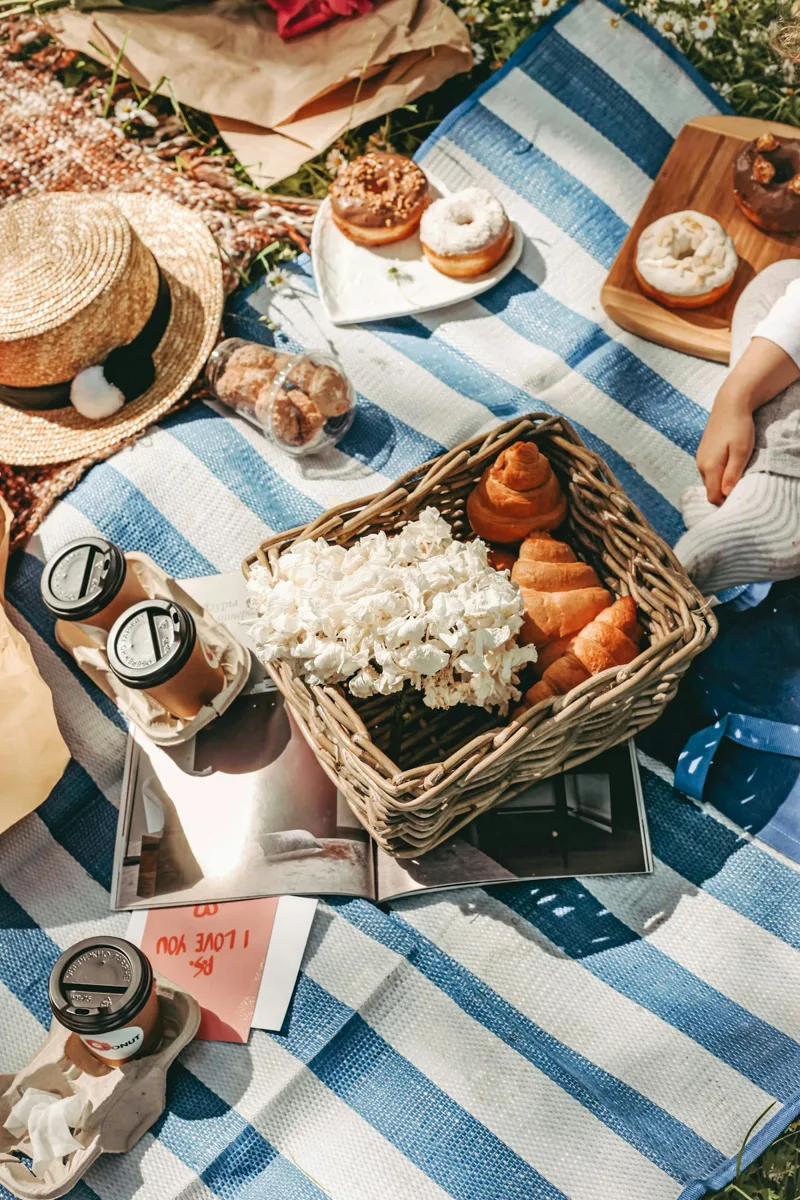
A picnic photograph usually shows a flat blanket, a full spread, and perfect weather. Your real lunch may happen on a bench, a windy patch of grass, or a short stop during a day out. Planning around that setting can make the food easier to carry and eat without requiring a large hamper or a collection of special accessories.
Begin with where and when you expect to eat. Check access, facilities, weather, and any local rules that affect the outing. Choose suitable food and handling arrangements using authoritative food-safety guidance, especially for perishable items. This article is a planning framework, not a promise that every food remains safe for any journey or temperature.
Decide whether the meal needs a surface
Food that requires cutting, balancing several bowls, or adding a messy sauce asks for more working space than a simple handheld option. Imagine the actual seat or blanket and choose accordingly. A small number of easy-to-handle components can be more pleasant than an elaborate spread that nobody can comfortably assemble.
Consider utensils and portioning before packing. If a shared dish needs serving equipment, include it deliberately. Individual containers can simplify distribution but add weight and washing. A single shared box may reduce packaging yet require a suitable clean serving method. Choose the arrangement that fits the people and the location.
Match food to the journey and conditions
Consult reliable guidance about transport, temperature control, and storage for the foods you choose. Use suitable equipment where required and follow its instructions. Do not assume shade or a short-looking route replaces appropriate handling. If the conditions make a chosen food impractical, select something better suited to the outing.
Check allergies, dietary needs, and preferences with the people eating. Keep ingredient information available when needed and prevent cross-contact as appropriate. A casual picnic still deserves clear communication. Avoid presenting homemade food as free from a particular ingredient unless you can support that claim through suitable preparation and ingredient checks.
Pack containers by shape and access
Use containers that close properly and suit the contents. Check seals and condition before leaving. Place items that could leak away from belongings that must remain dry. Do not rely on a container label without assessing the actual closure and the way it will sit in the bag.
Keep the first things needed accessible: hand-cleaning arrangements appropriate to the location, the main food, and necessary utensils. Put heavier objects where the bag carries comfortably and protect delicate food from crushing. A neat stack is helpful only if you can retrieve lunch without unpacking everything onto the ground.
Give drinks a realistic role
Choose an appropriate amount and carrying method for the outing and personal needs. Check availability if you plan to buy drinks near the destination rather than carry them. A map symbol or old review does not guarantee that a shop will be open. Keep the plan flexible enough for current conditions.
Use suitable bottles or containers and follow their care and use instructions. Consider leakage and how the container will be cleaned afterward. A large bottle can reduce the number of objects, but only if the weight is manageable for the person carrying it. Shared carrying should be agreed, not assigned by whoever owns the biggest bag.
Plan the end of the picnic
Bring an appropriate way to carry waste and used containers home or to an authorized disposal point. Follow local rules and leave the space in suitable condition. Keep used utensils separate from clean items. Any remaining food needs handling consistent with reliable safety guidance; do not assume it can be saved simply because it looks unchanged.
At home, unpack promptly and clean equipment according to instructions. Note what was awkward to eat, what leaked, and what you carried but never used. Use those observations to make the next picnic smaller and more comfortable. You do not need a new set of equipment for every minor inconvenience.
Do I need a hamper? A suitable existing bag may work if it supports the food's handling needs and your carrying comfort. Should everything be homemade? Choose according to time, preferences, and accurate ingredient information. What if the weather changes? Have a practical alternative place to eat or change the outing rather than forcing the original plan.
Our day-trip planning guide helps connect lunch with the whole outing. The food-container guide can help edit what you bring. A good picnic is sized for the real place and leaves you free to enjoy being there.
Food-handling reference: FDA Safe Food Handling.