This article may include affiliate links. We may earn a commission from purchases, at no extra cost to you. Read our disclosure.
A drawer of measuring cups and spoons can still leave you searching for the one tool a recipe needs. Perhaps the markings are difficult to read, the spoon will not fit a jar, or the scale takes more setup than the task deserves. A useful measuring collection reflects the recipes you use and the level of precision they require.
Look at several familiar recipes before shopping. Notice whether they specify weight, volume, or both, and which units appear. Baking often asks you to follow a particular measurement method, while an improvised dressing may allow a different approach. Do not assume one tool can replace every instruction without affecting the result. Start by understanding the method the recipe actually gives.
Distinguish the jobs
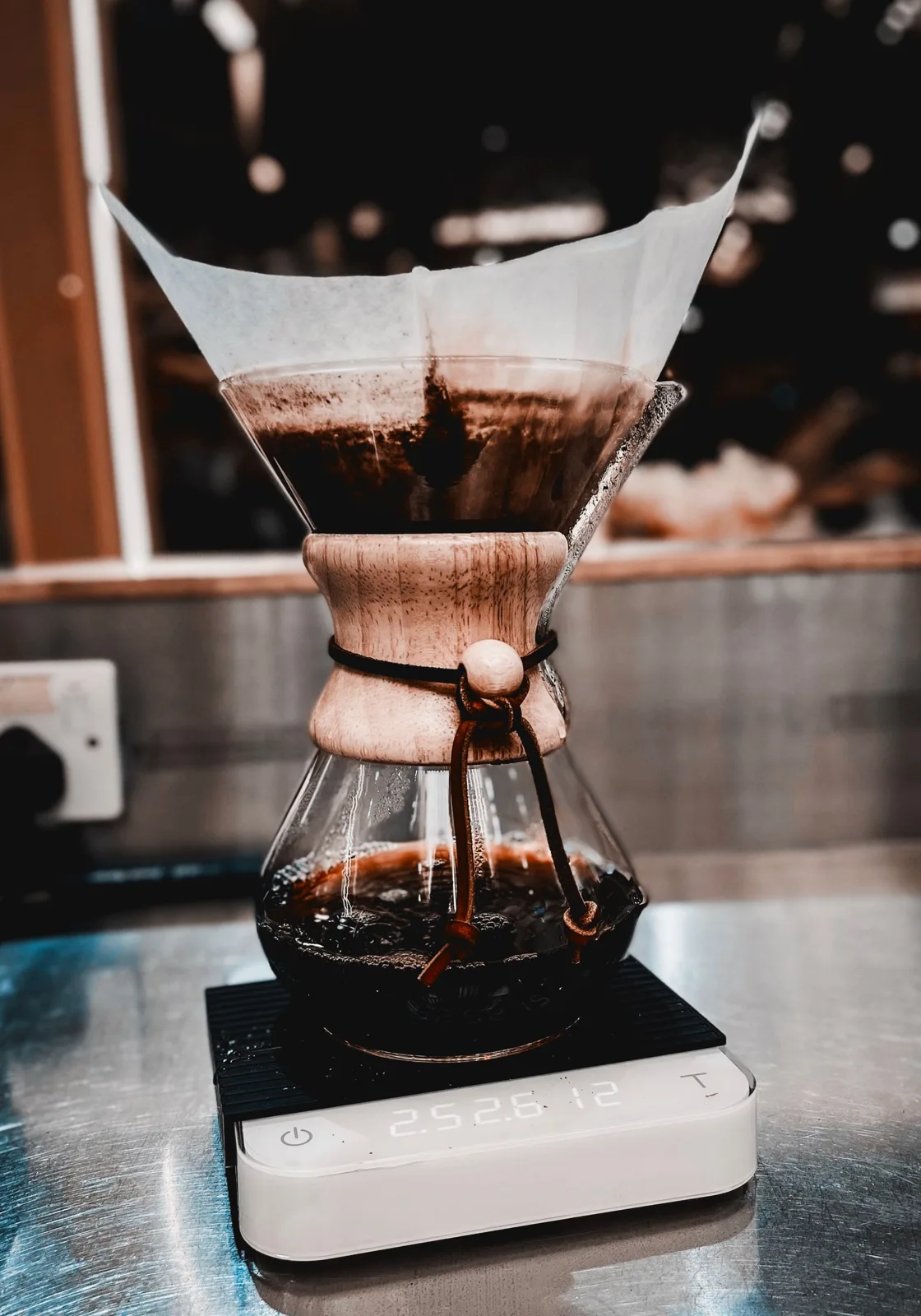
A kitchen scale measures weight; cups and spoons measure volume. The relationship between those measures depends on the ingredient, so a volume is not converted to weight through one universal number. Use reliable ingredient-specific information if a conversion is needed, or choose a recipe written in the method you prefer.
Liquid and dry measuring tasks can also benefit from different designs. A vessel with clear graduations and a pouring lip may suit liquids, while a cup intended to be leveled can suit a dry measure. Check the product's intended use and the recipe's directions. A collection is more useful when each tool has a recognizable job.
Check readability in your kitchen
Look at markings under the light where you prepare food. Small embossed numbers may be durable yet difficult for you to read; printed markings may be clear but need particular care. Choose according to visibility and the maker's information about cleaning. A tool that requires constant guesswork is not improving the task.
Check the units and increments. A scale should have a suitable capacity and resolution for your intended use, as documented by the manufacturer. A large maximum capacity does not by itself establish usefulness for very small quantities. If a recipe requires unusually precise small measurements, choose appropriate equipment and reliable instructions rather than assuming an everyday scale can perform that task.
Test access and handling
Consider the containers you measure from. A broad measuring spoon may not fit a narrow spice jar, while a long handle can help reach inside a bag. Avoid selecting an elaborate shape solely because it nests neatly. You will use the tool outside the drawer, where grip and access matter.
For a jug, assess handle comfort and pouring control with the intended quantity in mind. Check whether the base is stable and whether the graduations can be read at the appropriate angle. Follow temperature and use limits; not every measuring vessel is intended for boiling liquids, microwave use, or other heat exposure.
Give the scale a simple routine
Read setup, tare, and care instructions. Use the scale on an appropriate stable surface and avoid exceeding its limits. Make sure the display remains visible when your usual mixing bowl is on it. A compact scale can be convenient until a wide bowl covers every number, so consider the actual combination.
Plan battery or charging needs according to the product. Keep the manual or model information accessible. If readings seem inconsistent, follow the maker's troubleshooting process rather than immediately changing the recipe. A useful tool is one you can operate predictably without a long rediscovery session each time you bake.
Store complete tools, not fragments
Keep measuring spoons together if the connector does not make them awkward to use. If you remove a ring, give the individual pieces a defined place. Check that the set contains the sizes your recipes repeatedly need. An advertised piece count can include duplicates or accessories that add little value to your routine.
Choose a drawer or shelf arrangement that lets tools dry appropriately after cleaning. Do not cram a damp nesting set away because it fits perfectly. Review the collection when a marking becomes unreadable, a handle loosens, or a piece disappears. Replace the problem rather than automatically buying another complete set.
Can I use an ordinary drinking mug? For recipes that require accurate volume, use a suitable measure or a reliable weight-based version. Do I need a scale and cups? That depends on your recipes and preferred method. Are more increments better? Only when the tool's documented capability and your use make them meaningful.
Our apple oat crumble offers a texture-focused baking example. The baking-tray guide explores another tool where dimensions and real use matter. Measuring equipment earns its place when it makes following a recipe easier rather than adding another drawer to search.