This article may include affiliate links. We may earn a commission from purchases, at no extra cost to you. Read our disclosure.
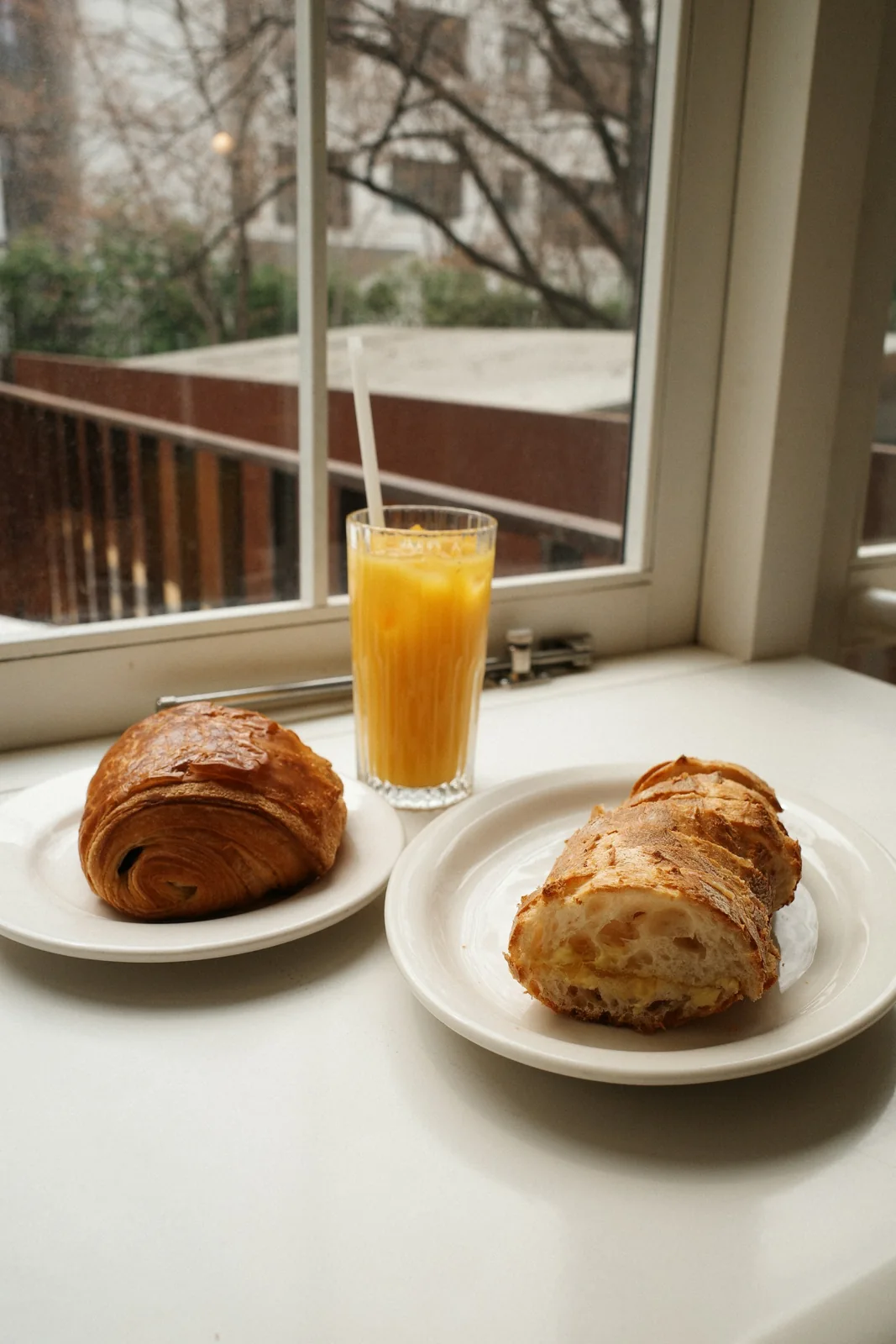
Buying pastries or bread for breakfast can be a deliberate way to keep a morning manageable. It does not need to become the first ingredient in a much larger brunch project. Choose through the people, timing and food information involved, then add only the preparation and tableware that give the meal a clear useful shape.
Decide what breakfast needs to do
Name the actual morning: a quiet meal before leaving, a short guest visit or a shared start to an ordinary day. A photograph of a long bakery spread may suggest a different occasion from the one you can comfortably host. Keep the menu connected to the time and attention you actually want to give.
Tell guests what you intend if the arrangement affects their own plans. A pastry and a drink are not an unspoken promise of another cooked course. Clear expectations can keep a modest meal comfortable without requiring the host to apologize for its simplicity.
Ask about the food people want
Check preferences and important requirements before purchasing. Use the seller's actual information and relevant product labels for ingredient questions, with appropriate authoritative guidance for food handling. A familiar pastry name does not establish every preparation or component of a particular item.
Keep any important uncertainty visible rather than answering it from a photograph. If a suitable choice cannot be established, ask about another appropriate option. The point of bought food is not to transfer an unresolved ingredient question to the person receiving it.
Add one useful companion
Decide whether a further item genuinely belongs in the meal. A wanted drink or another agreed food can be enough; you do not need to recreate every plate, flower and condiment in a styled breakfast image. A new addition also creates another purchasing, preparation and clearing task.
The breakfast preference guide helps make a small relevant question before shopping. Use the answer to simplify the choice rather than expanding it into several alternatives nobody actually requested.
Use an ordinary serving arrangement
Choose appropriate plates and utensils for the actual foods and people. Preserve relevant product information even if the food leaves its packaging for serving. A neat tray should not conceal which item is which or make a required ingredient check difficult.
Follow the actual storage and handling information instead of using a general assumption about how long a display can wait. The morning's timing and food requirements are practical inputs, not details to be adjusted for a better photograph.
Let the meal finish simply
The breakfast table handover guide supports a clear ending. Complete the appropriate food and tableware routine, then return the surface to its next use instead of leaving the rest of the morning attached to a decorative breakfast setup.
If you want to remember the meal, keep a short note of what people actually enjoyed. A useful bakery breakfast can remain exactly that: welcome bought food, an understood serving plan and time left for the day you meant to have, without an extra course added solely because the first choice seemed too easy.