This article may include affiliate links. We may earn a commission from purchases, at no extra cost to you. Read our disclosure.
“What do you usually like for breakfast?” can be a more useful hosting question than asking a guest to choose from an elaborate imagined menu. It gives you a starting point for a meal that suits the person and the morning. Ask before shopping, with dietary requirements and practical timing kept clear.
Separate preference from requirements
Invite the guest to explain any dietary needs, allergies or other essential considerations through an appropriate conversation. Follow suitable authoritative guidance for planning and food handling, and do not make assurances you cannot support. A preferred breakfast and a requirement affecting safety or suitability are different kinds of information.
Then ask what they normally enjoy and whether the morning has a fixed departure. A guest catching an early train may want a different arrangement from someone staying for a leisurely meal. Keep the question simple enough to answer without making the guest feel responsible for designing your whole menu.
Choose a manageable main plan
Select familiar food you can prepare appropriately with the available equipment. One clear main option and a suitable addition may be enough. Avoid buying several alternatives merely because you have not decided which one serves the guest's answer. Check ingredient information and retain it where it may be needed.
The relaxed weekend lunch guide offers useful questions about keeping preparation within the time you want to spend together. Breakfast has its own timing, but the same planning benefit remains: choose a meal that leaves room for hosting rather than keeping you occupied at the counter throughout the visit.
Plan the actual serving sequence
Consider what can be prepared appropriately in advance and what must happen nearer serving, following the recipe and food-safety guidance. Keep the kitchen's capacity realistic. Two hot items needing the same piece of equipment may make a modest menu harder than its ingredient list suggests.
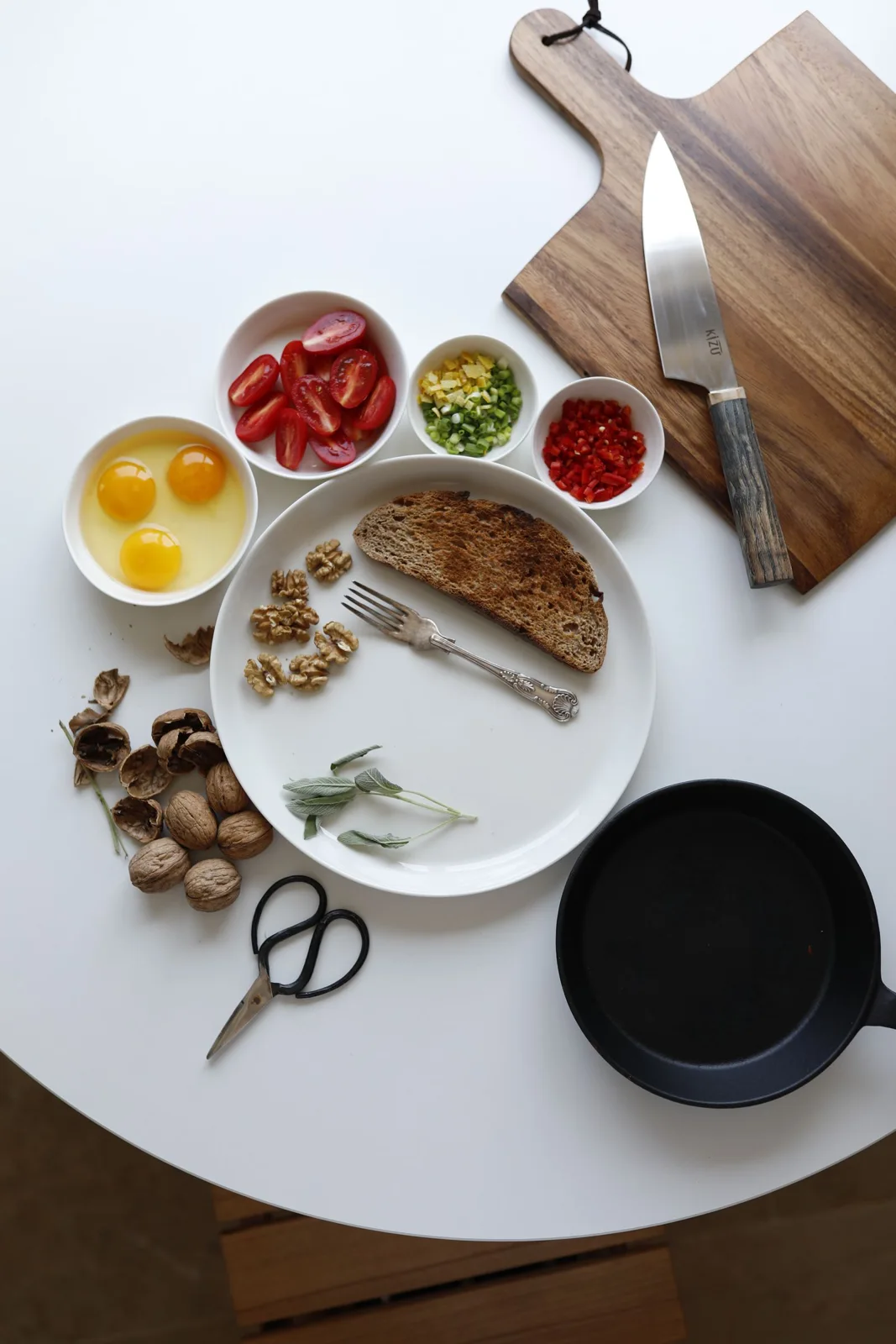
The egg-and-toast sequence is a specific example of thinking through a familiar breakfast. Use the relevant method for your actual menu rather than copying a timing that belongs to another recipe or appliance. Keep the guest's departure in the plan without rushing required preparation stages.
Make the table easy to use
Set out suitable dishes and utensils while leaving enough space for the food and drinks. Explain unfamiliar items and keep ingredient information available where appropriate. Do not make the guest search through cupboards for the ordinary pieces needed to eat comfortably.
Should you surprise the guest with something special? A small thoughtful addition can be pleasant once essential needs are understood. The main success is a breakfast the person can enjoy at the time they actually need it, prepared through a manageable process. A clear question before shopping often creates more comfort than a large spread built entirely from assumptions.