This article may include affiliate links. We may earn a commission from purchases, at no extra cost to you. Read our disclosure.
Cake decoration is easier to plan when you know how the cake will reach the table and be served. A design that looks attractive on a work surface may be awkward to transport, portion or store appropriately. Begin with the actual gathering and a reliable recipe rather than treating decoration as an independent final flourish.
Choose the serving situation
Decide whether the cake stays at home, travels to another venue or will be served in individual portions. Check the available appropriate storage and any transport requirements for the actual ingredients. Follow current authoritative food-safety guidance and the recipe's instructions where relevant; decorative appearance does not establish how long a cake can remain in a particular setting.
Ask about dietary needs and keep ingredient information clear. A decoration can introduce an ingredient not obvious from the cake's name. Do not rely on a guest recognising every topping by sight, especially when ingredients have been combined or removed from their original packaging.
Keep the decoration within the recipe
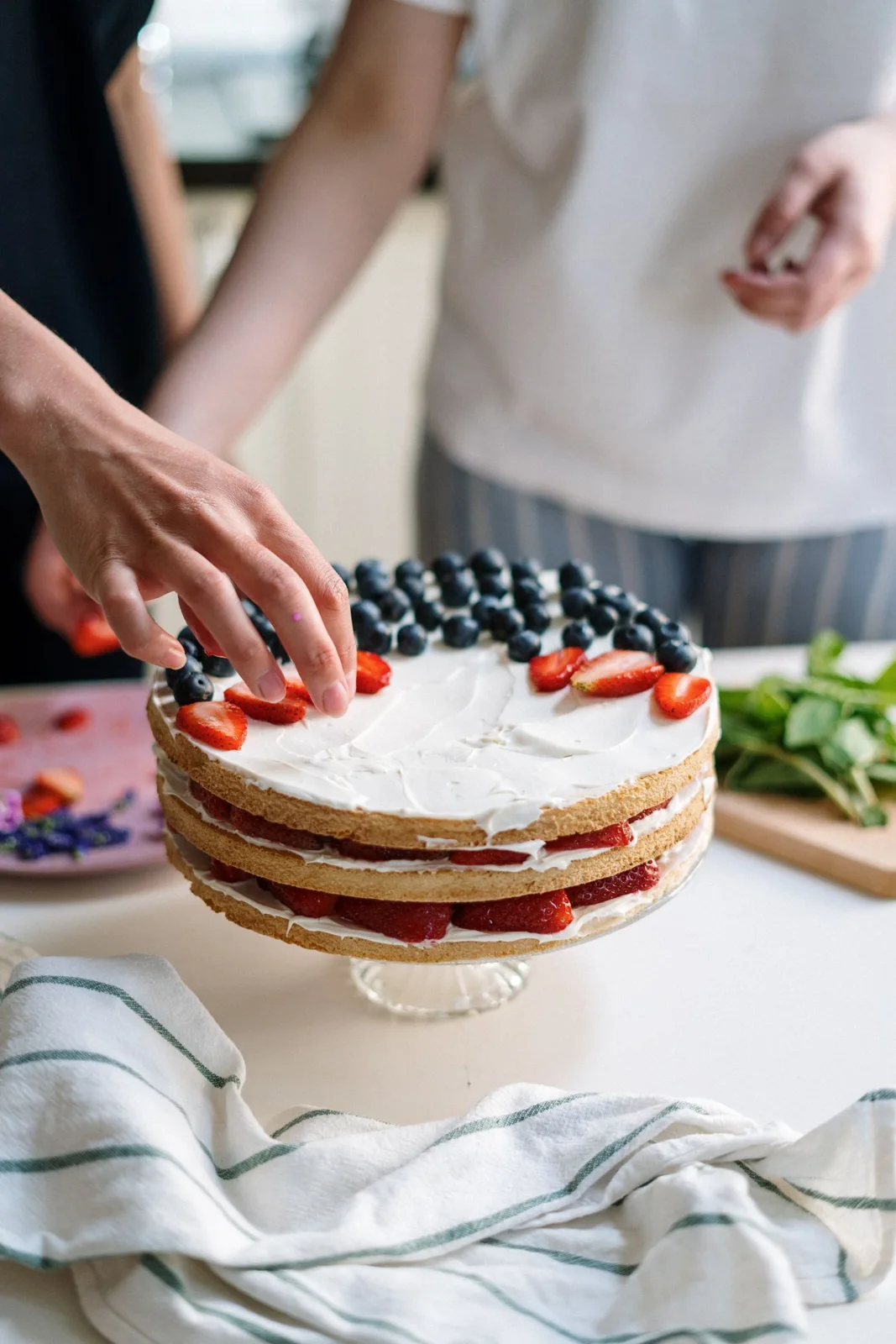
Use a method you understand from a reliable recipe or appropriate guidance, including the required preparation stages. Avoid adding a topping at an unsuitable point simply because the guests are arriving. If the planned decoration cannot be completed appropriately in the available time, choose a simpler suitable finish.
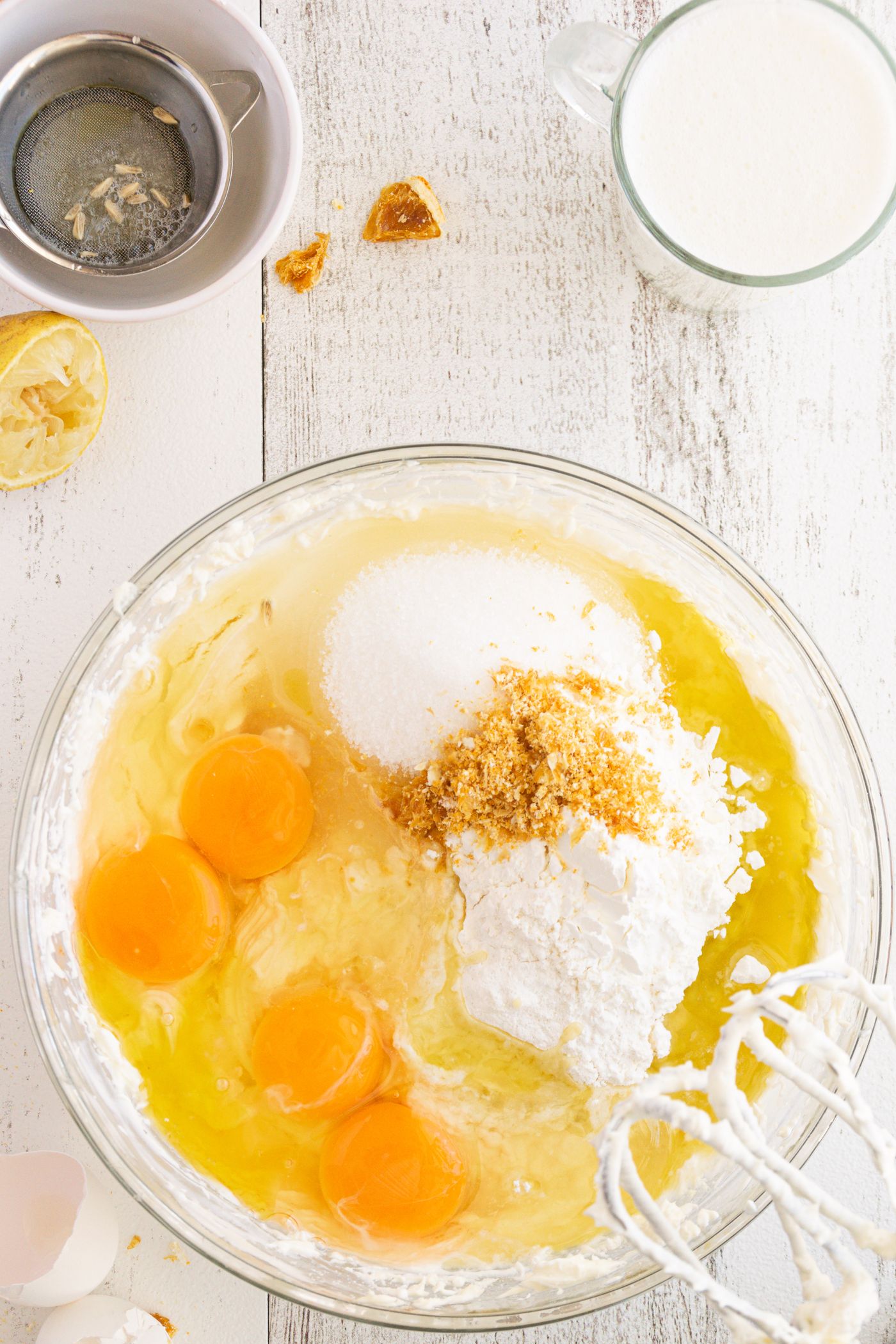
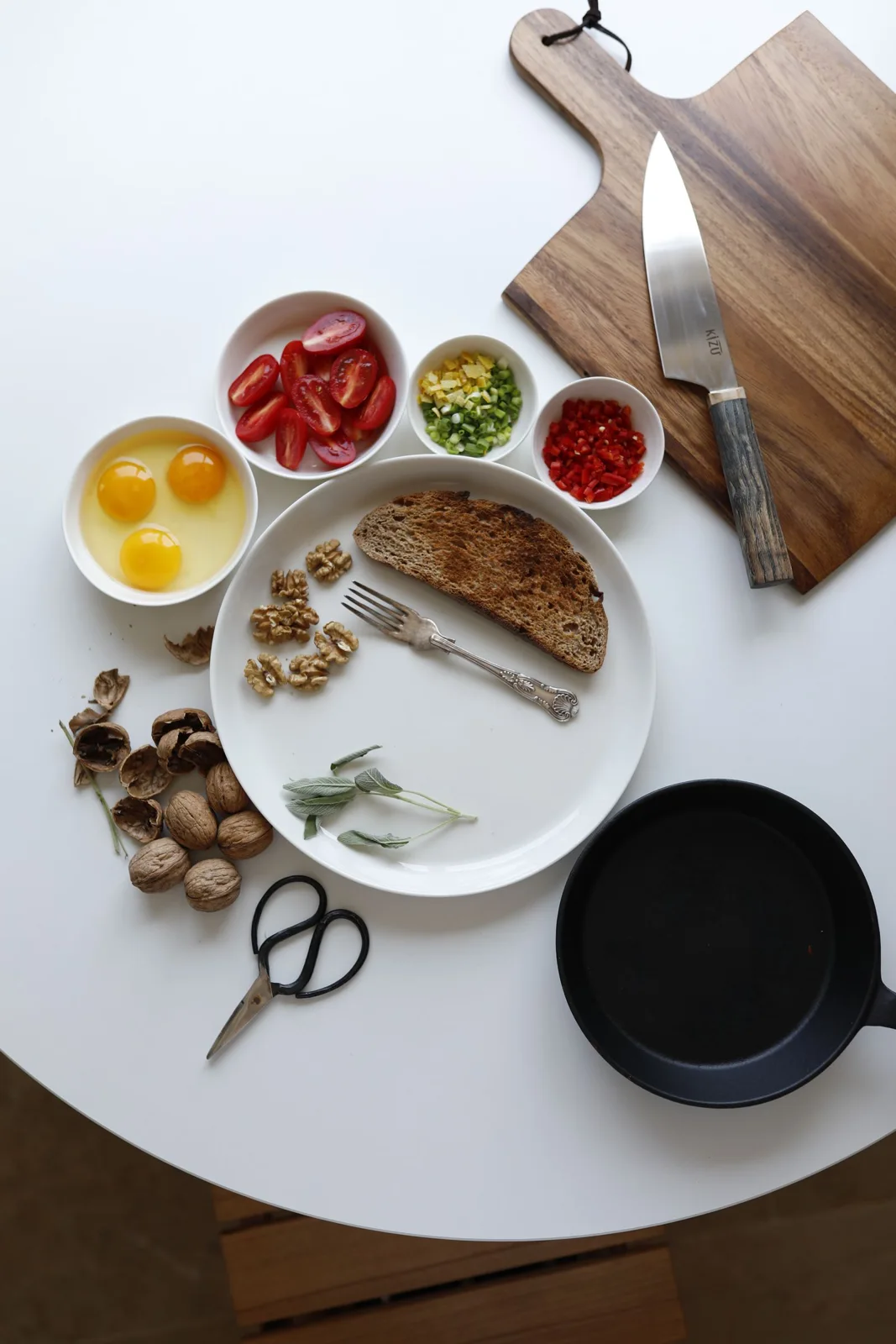
The baking ingredient-readiness guide helps avoid discovering a missing component after the cake is ready for its next step. Include tools and appropriate serving equipment in that check, not only the ingredients that will appear in the final photograph.
Imagine the first slice
Consider how the cake's structure and decoration will respond to the intended serving method. Choose utensils suitable for the task and keep handling appropriate. A decorative element that must be removed before serving should have a clear destination and be understood by whoever portions the cake.
Do not use an object as food decoration unless it is specifically suitable for the intended use. If the design requires unfamiliar equipment or materials, seek reliable specialist guidance rather than improvising through appearance alone. A modest edible finish can be more practical than a complex display with unclear serving steps.
Give the table enough room
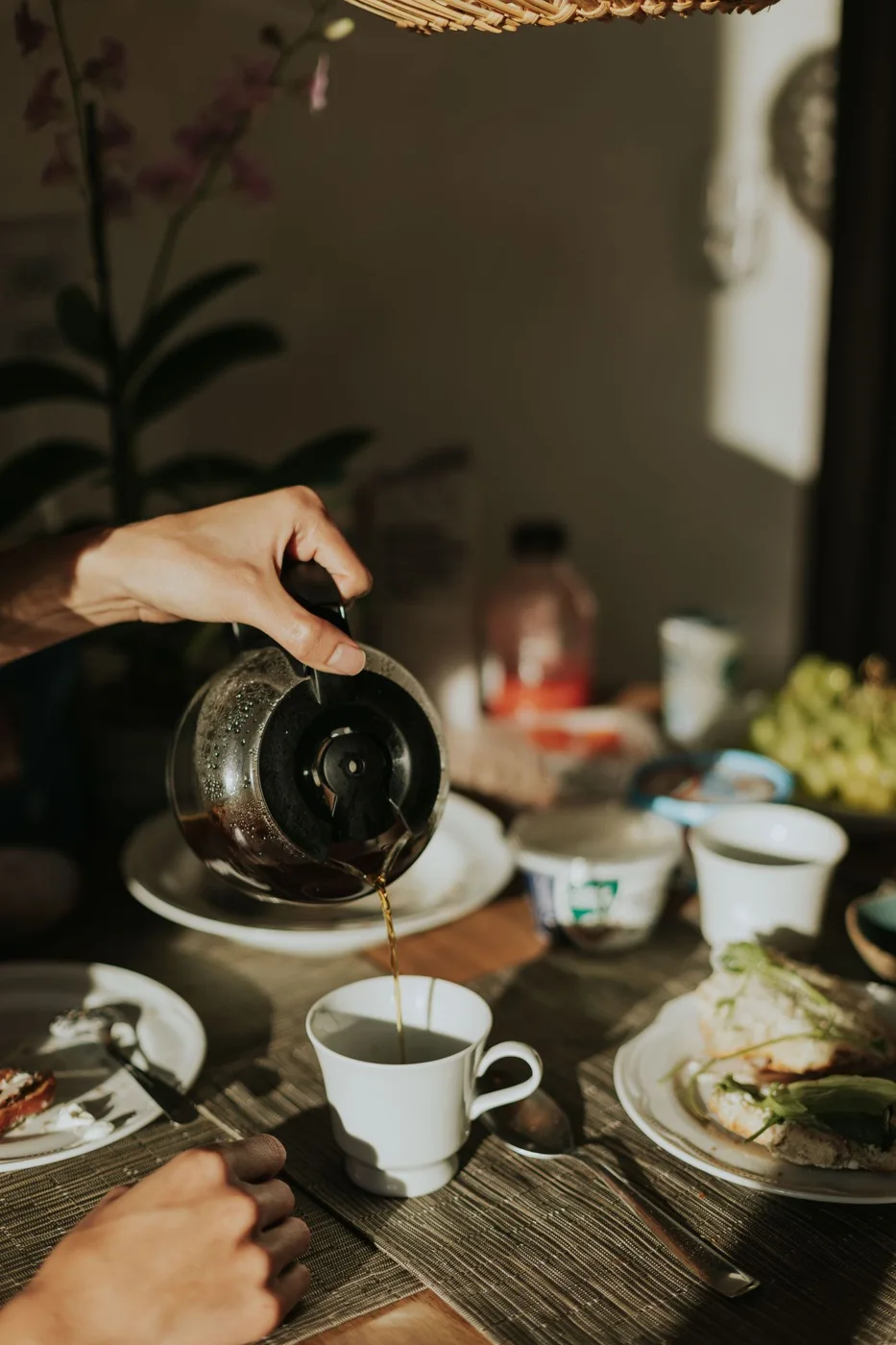
Choose an appropriate serving position that leaves space for plates, utensils and ordinary movement. Keep the cake under the storage and handling conditions it requires. The table-decoration space guide helps preserve the gathering's practical surface instead of filling it entirely before food arrives.
Should you decorate only after transport? That may suit a particular recipe and arrangement, but it needs appropriate equipment, conditions and time at the destination. Confirm those details before relying on them. The useful plan follows the cake from preparation through care, movement and serving, so that the decorative choice supports the gathering rather than becoming a separate problem at the table.