This article may include affiliate links. We may earn a commission from purchases, at no extra cost to you. Read our disclosure.
A scaled recipe needs a clear working version rather than a mixture of original and changed quantities. Before cooking, preserve the source and decide whether the particular recipe can appropriately be adjusted through dependable guidance. A neat doubled number is not useful if another line, equipment requirement or method still belongs to the original preparation.
Keep the source intact
Save or identify the complete original recipe through an appropriate permitted arrangement. Keep its stated yield, ingredient units and relevant method notes available. Do not overwrite the only version so that you can no longer tell what the author actually instructed.
Label your working copy as an adaptation and state the intended change. Making another amount is a different decision from substituting an ingredient or changing the cooking equipment. Keep those changes separate so you can identify which question each one creates.
Establish whether scaling is appropriate
Use the recipe's own guidance or another suitable dependable source for its actual preparation. Do not assume every mixture, cooking process or equipment arrangement changes successfully through the same simple multiplier. Where the guidance does not establish a suitable change, choose a recipe or yield you understand instead of inventing a result.
The recipe unit check supports preserving the meaning of every quantity. A unit, qualifier or divided amount belongs with its number before any calculation begins.
Put changed quantities in one clear column
When an appropriate scaling method is established, apply it consistently and keep the original beside the working amount for review. Arithmetic such as 100 becoming 200 when doubled illustrates a calculation, not a complete recipe instruction. The actual ingredient and method still need the relevant guidance.
Check every line rather than changing only the most visible ingredient. A note about part of an ingredient reserved for later should remain connected to the right stage. Do not allow an optional topping or separate accompaniment to inherit a change automatically if its role is different.
Review the method and equipment
Read the whole working sequence through the intended arrangement. A larger preparation may raise equipment or process questions that arithmetic alone does not settle. Resolve those through appropriate reliable information instead of choosing a larger-looking pan and hoping the original method still applies.
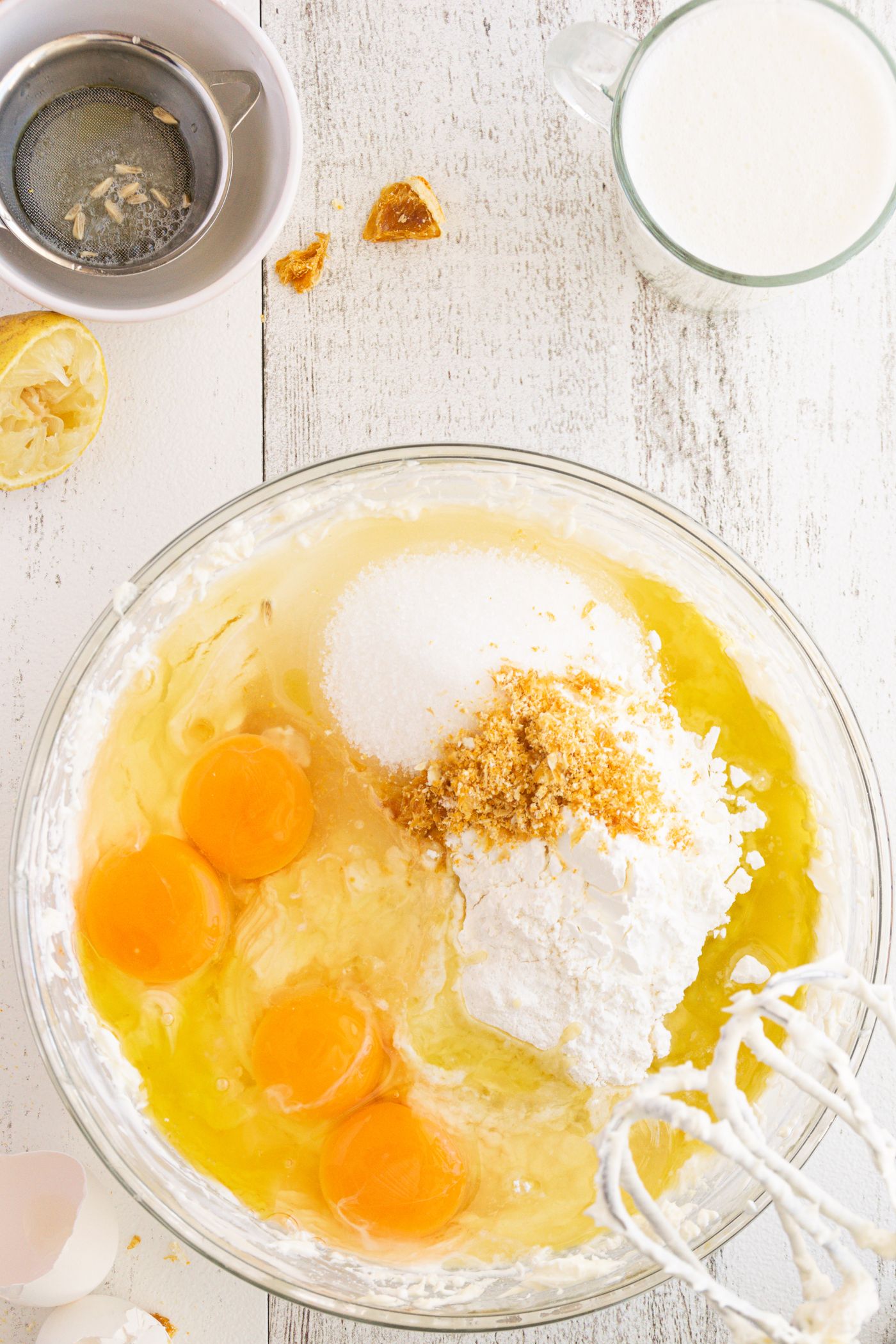
The mixing-bowl next-step guide helps keep the destination of a preparation clear. The changed quantity needs an understood suitable next stage, not only enough room at the first mixing step.
Make the working version identifiable
Write which version you actually intend to follow and mark an obsolete draft clearly. If another person helps, show them the current copy before work begins. A shared kitchen should not have one person measuring from the original while another reads a changed method.
Afterward, record a factual observation without presenting an informal attempt as a tested guarantee. Keep appropriate food and product guidance central throughout. A useful scaled working copy preserves the source, shows the actual approved change and leaves unresolved questions visible before ingredients and effort are committed.