This article may include affiliate links. We may earn a commission from purchases, at no extra cost to you. Read our disclosure.
A recipe photograph can show an appealing result without explaining the process needed to make it. Use the image for visible context and let the complete reliable method establish the preparation. A glaze, topping or arrangement in a picture may raise a useful question, but it is not an instruction by itself. Keeping those roles separate makes the recipe easier to understand before you begin.
Read the written method before interpreting the image
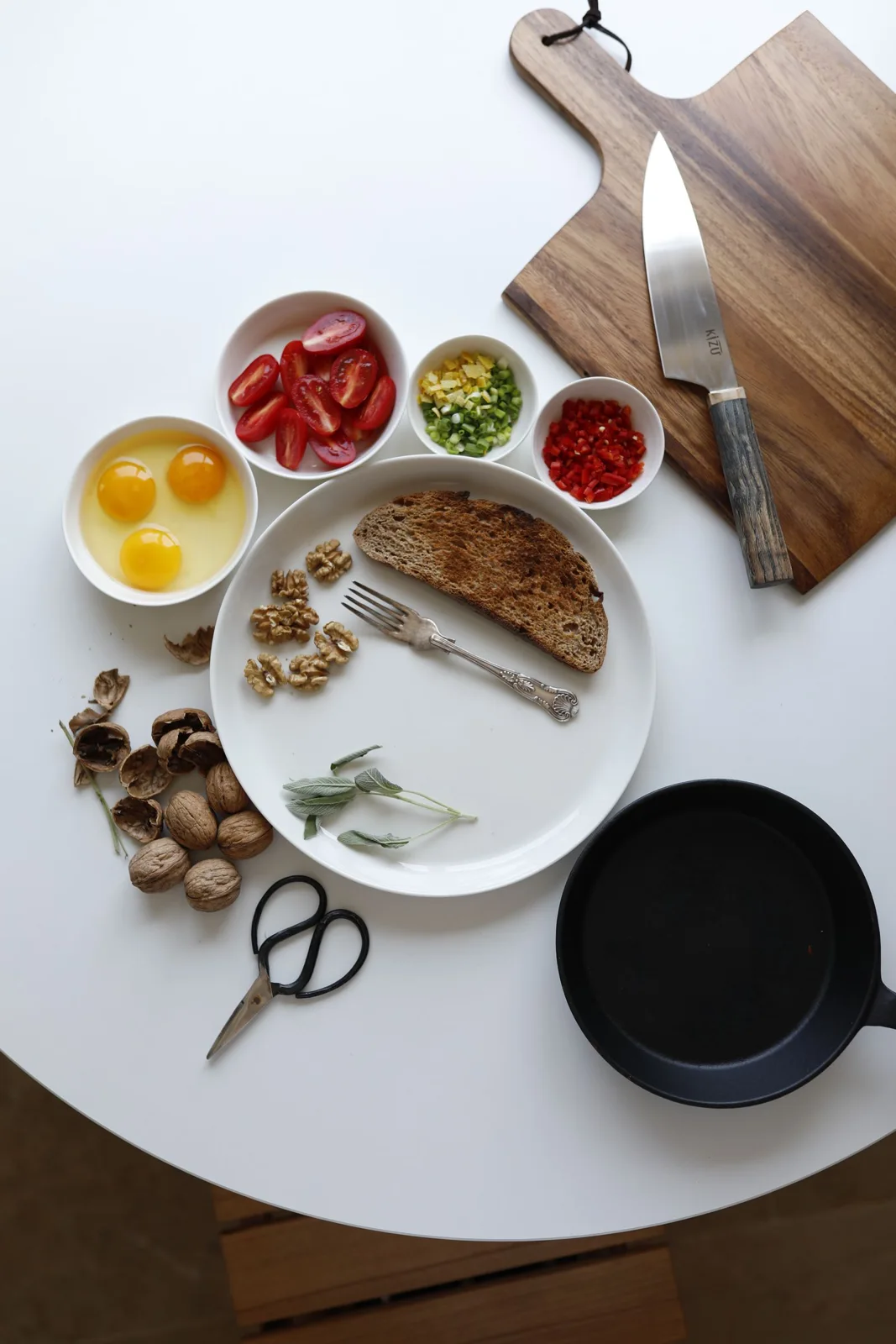
Start with the actual ingredients, quantities and complete preparation instructions. Check that the recipe is suitable for the task and that important steps are clear through a reliable source. Do not fill a missing temperature, timing or completion requirement by studying the picture more closely.
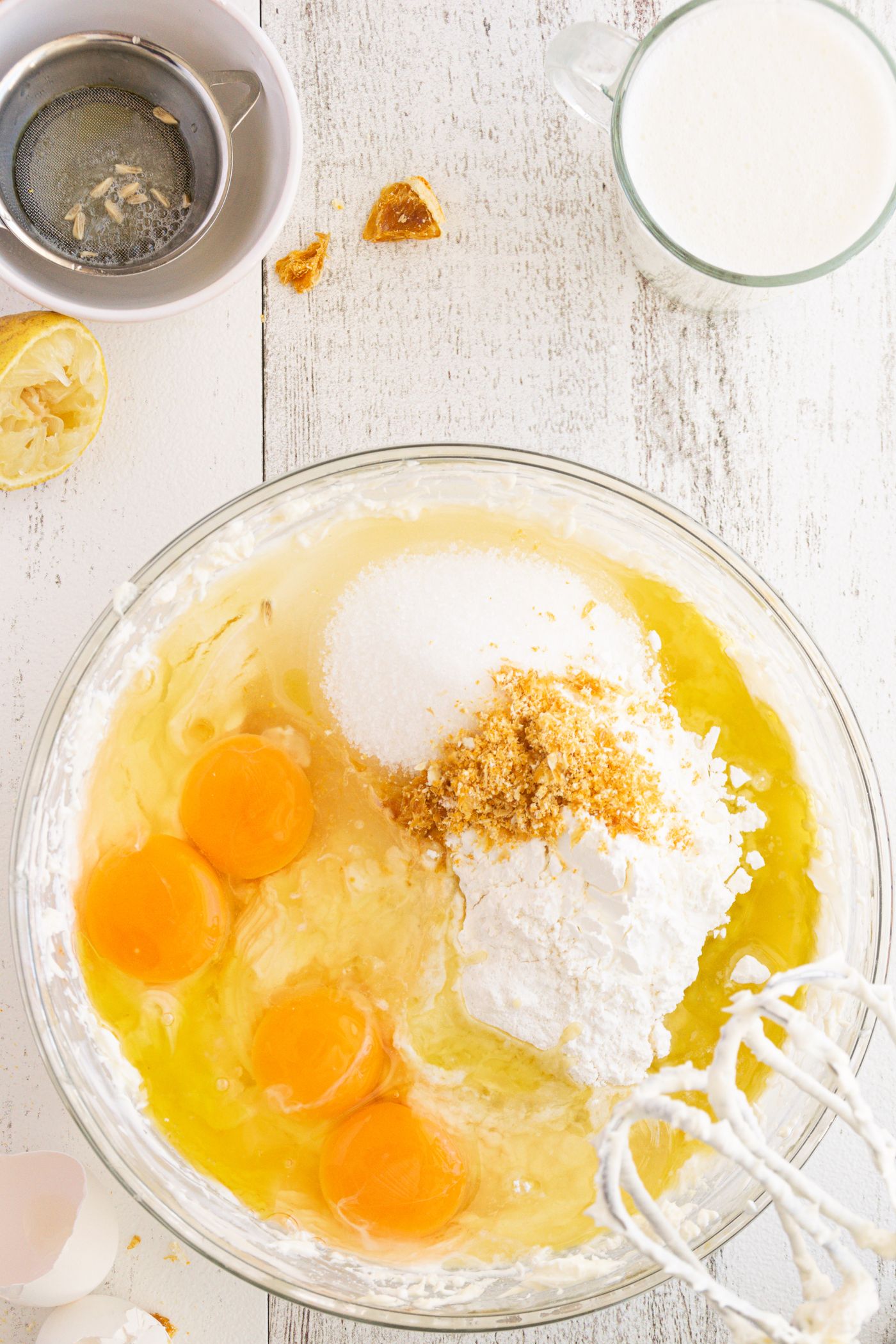
The complete baking ingredient check addresses one part of readiness. The photograph may help you recognize the kind of result being described, but it cannot replace the information that makes the method complete.
Ask what the picture actually shows
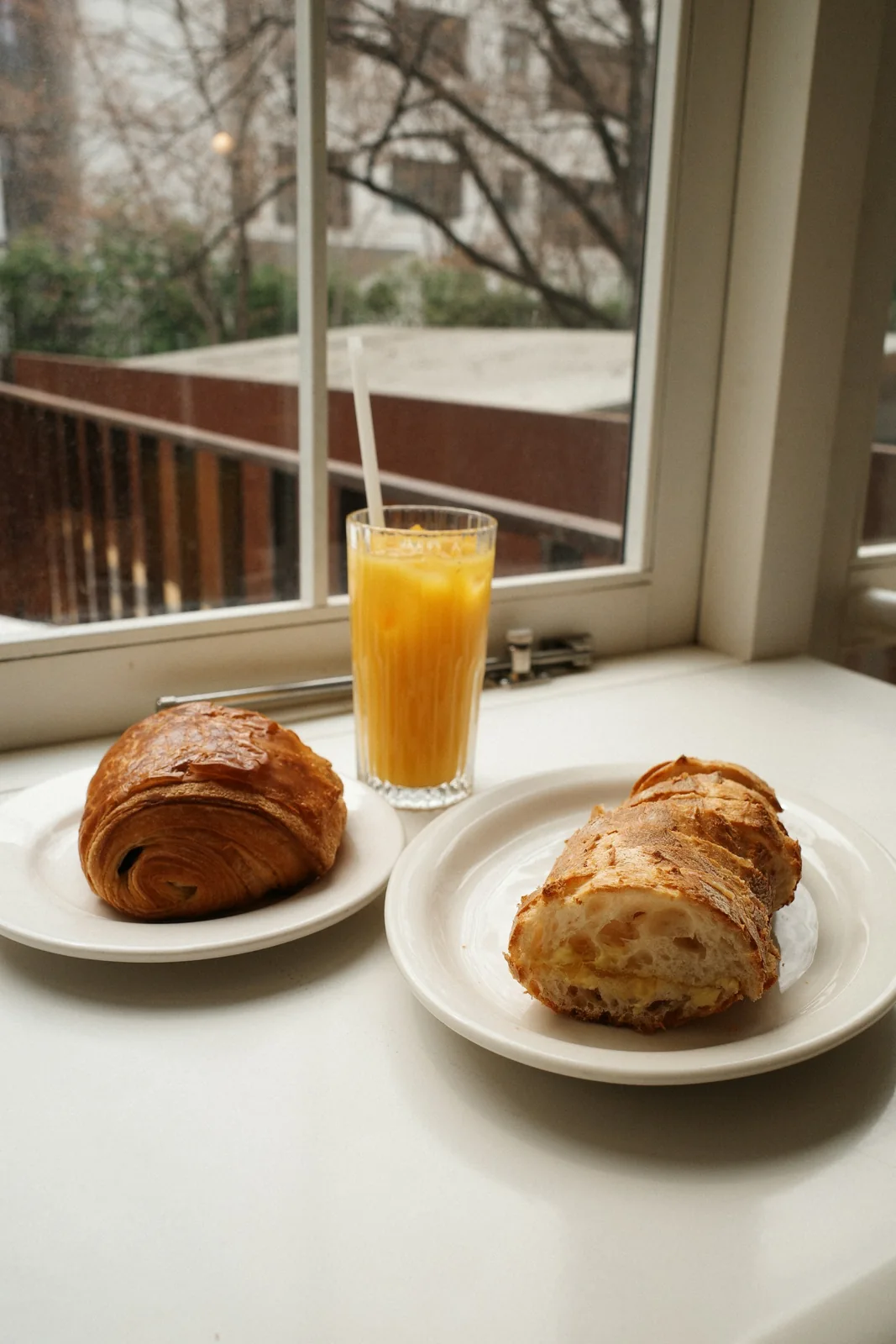
Describe visible features without inferring their cause. You might see a smooth surface, a broken edge or a garnish beside the serving. That does not establish the exact ingredient, tool or technique used to produce it. A styled image may also include surrounding objects that are not part of the recipe.
Keep the recipe's own captions and notes connected to the image. If they identify an optional serving idea, distinguish it from the main method. If they do not explain a detail you consider essential, seek an appropriate answer rather than guessing from resemblance to another dish.
Separate serving appearance from preparation
A final photograph can be especially useful for understanding the intended presentation, provided you keep the actual instructions intact. The way a dish is cut or arranged for an image may differ from how you need to serve it to the people joining your meal.
The cake decoration and serving-order guide helps with that practical distinction. A decorative feature should not silently change an essential preparation or make the meal harder to serve appropriately.
Keep comparisons proportionate
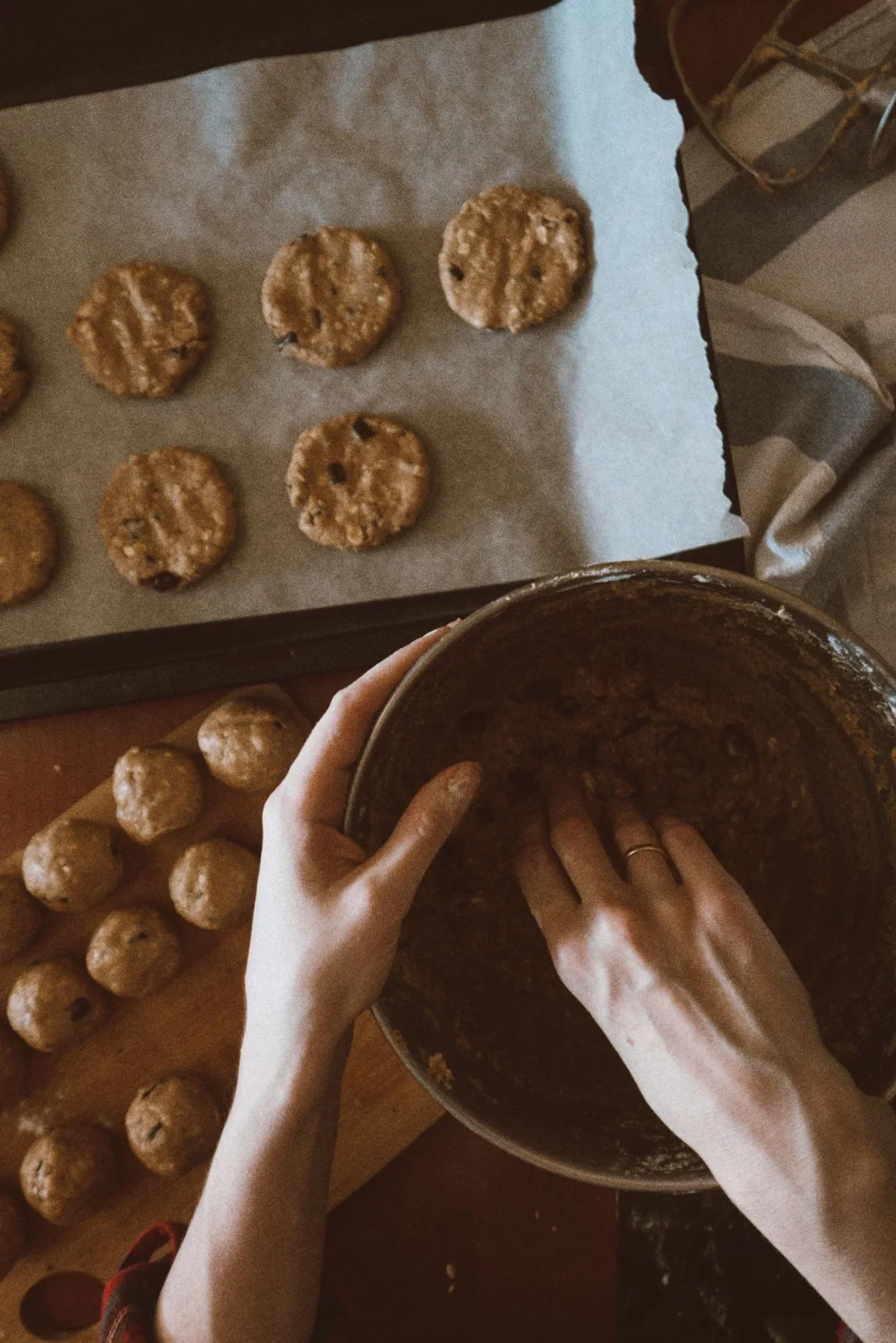
Your result may look different from a professionally styled photograph even when you followed the reliable method. Do not use appearance alone to judge whether important preparation requirements have been met. Use the recipe's appropriate guidance and any relevant authoritative food information for the actual question.
Equally, avoid assuming that a visually similar result proves you followed the same process. A photograph is a limited record of one visible moment. It does not establish every action, ingredient or condition behind the image.
Turn uncertainty into a focused question
Write down the detail you need to clarify and use the source able to establish it. A question about an identified topping is different from a question about essential preparation. Keeping the question specific can help you choose a complete suitable recipe rather than improvising through an attractive but incomplete reference.
Once the roles are clear, enjoy the image as part of the recipe's presentation. It can inspire the meal without becoming a hidden instruction set. The useful plan comes from a method you understand, with the picture adding context rather than authority it cannot supply.