This article may include affiliate links. We may earn a commission from purchases, at no extra cost to you. Read our disclosure.
A meal description can preserve a small experience without turning it into a score. Write through what you actually noticed and keep personal preference separate from claims about ingredients or technique. You do not need to sound like a professional reviewer. A clear account of a visible detail, a flavour impression or the setting can be enough to help you remember the meal honestly.
Choose the purpose of the note
Decide whether you want a private memory, a practical reference for a future visit or a response to something you enjoyed. Those purposes ask for different details. A personal memory may focus on the company, while a practical note needs an accurately identified dish and source.
Keep the scope modest. One meal at one time does not establish a complete account of a venue or cuisine. Avoid making the description sound representative of everyone else's experience simply because your own reaction was strong.
Describe before judging
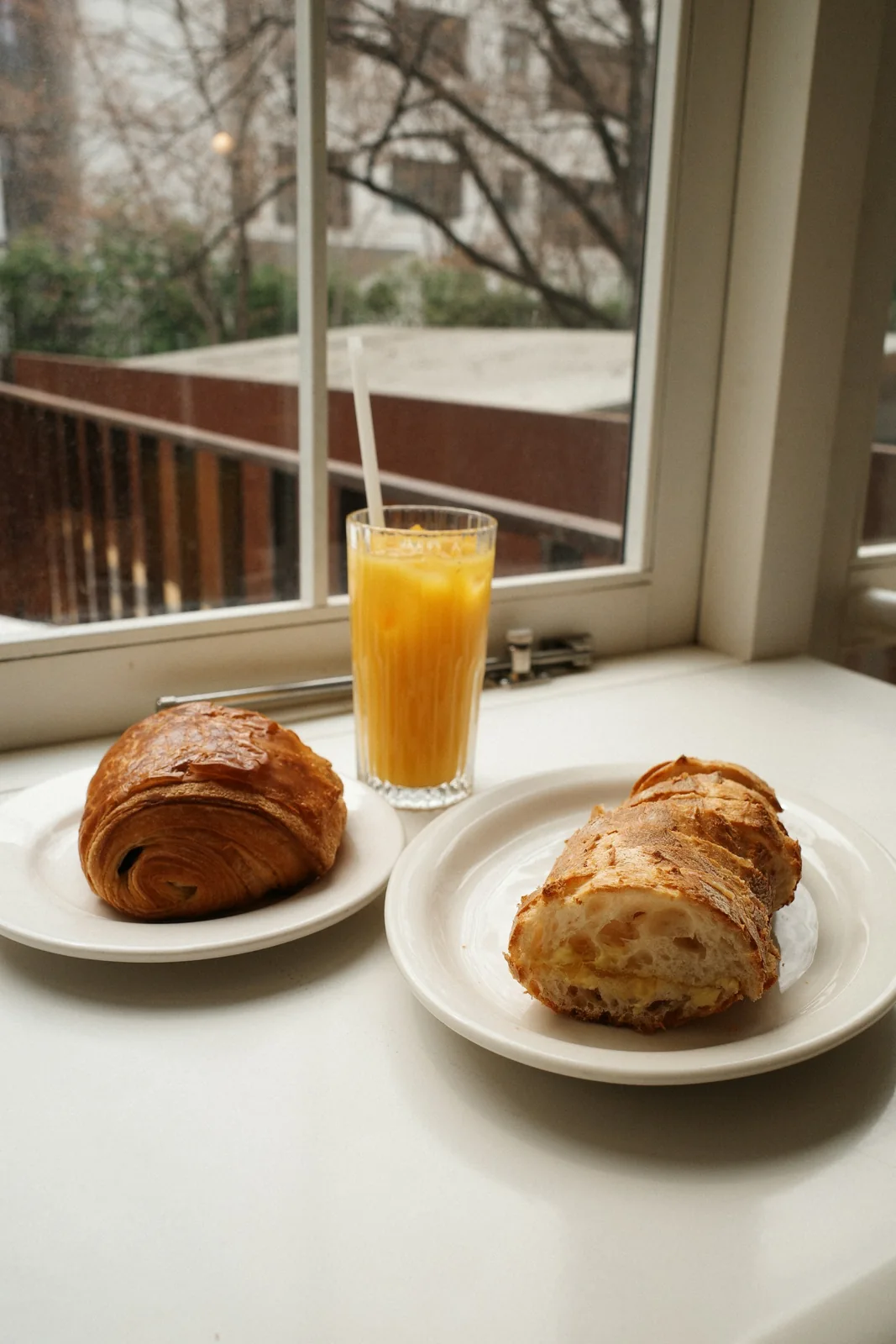
Begin with a detail you can explain plainly: the arrangement of components, the contrast between two visible colours or a texture you noticed while eating. Keep the language specific enough that another person can understand the observation without needing a numerical rating.
Do not infer ingredients or preparation methods through appearance alone. If a factual identification matters, use the menu or another appropriate reliable source. A personal impression can remain useful without becoming a claim about how the cook produced it.
State preference as your response
You may have enjoyed a pronounced flavour or preferred one component to another. Say what you mean rather than assigning a universal good or bad label. A dish can be thoughtfully made and still differ from your taste, while something you enjoy does not need a claim of objective superiority.
The restaurant meal note for home cooking has a different practical purpose: identifying an idea you might explore appropriately at home. A descriptive note can stop earlier and simply retain the experience without promising to reproduce it.
Include only the context that helps
The meal may have followed a long outing, taken place during a quiet conversation or arrived between two fixed plans. Those circumstances can explain your response without becoming an excuse to invent details. Keep other people's private information out of a note you may later share.
The cafe pause timing guide illustrates how a food stop belongs within an actual day. A description is clearer when the context remains specific rather than a broad statement about how every weekend ought to feel.
Read the note once and remove a sentence that merely repeats a verdict. Replace it with an observation only if that detail genuinely helps. Keep established names and dates accurate, leaving uncertainty visible where needed.
You can retain the note privately, use it as the start of a longer piece or leave it as a few sentences. It has done enough when it brings back the particular meal and your response without pretending to establish a rating, a technical explanation or an authority you did not have at the table.