This article may include affiliate links. We may earn a commission from purchases, at no extra cost to you. Read our disclosure.
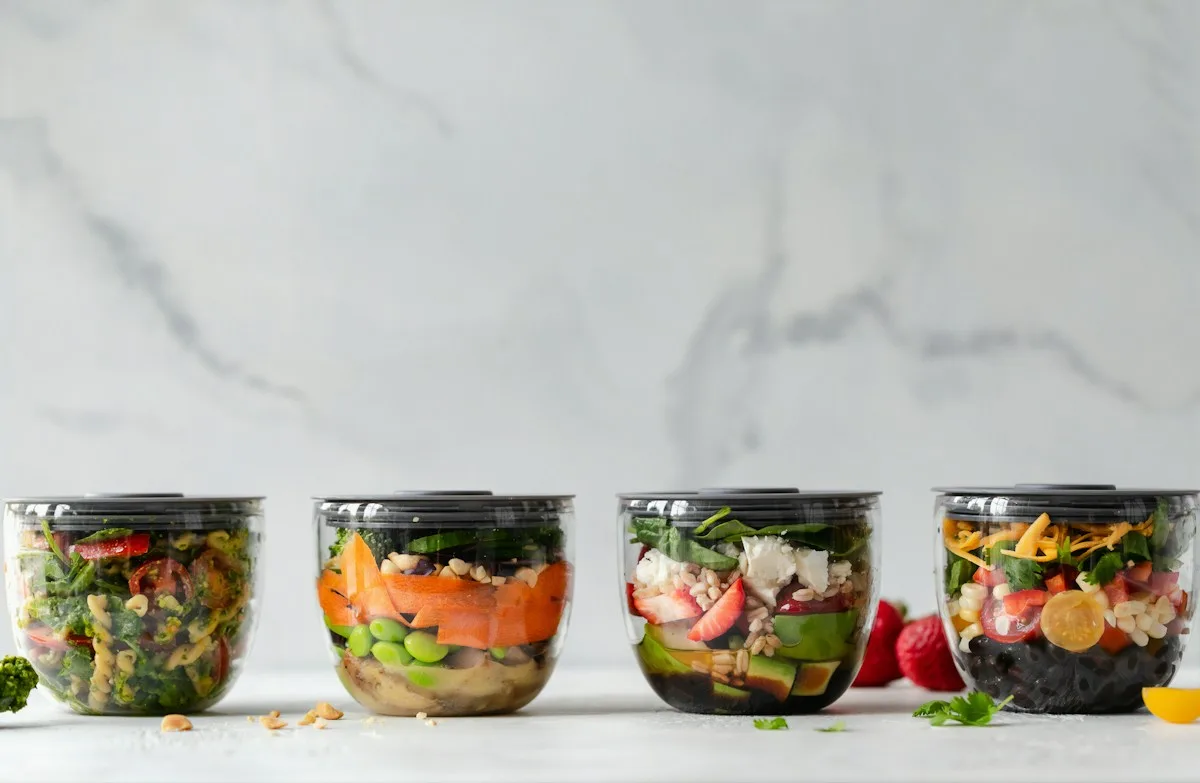
A meal handed to a guest can arrive in several containers with different contents and return expectations. Make those identities clear before the handover. The recipient should not have to guess which vessel belongs to the giver, which lid matches it or what food each container is meant to hold.
Confirm the meal is wanted
Agree what is being offered and ask about relevant requirements before preparing or packing food. Keep the recipient free to decline or choose another suitable arrangement. A container is not a useful gift if it brings an unexpected storage task or a dish the person cannot assess confidently.
Keep actual ingredient and preparation information available. Do not make assurances about individual suitability when the details are uncertain, and follow appropriate authoritative food guidance for the food involved. The container's identity is a separate practical task, not a substitute for those requirements.
Choose suitable vessels deliberately
Use equipment according to its intended purpose and relevant care information. Do not assume a decorative jar or a container retained from another product is suitable for every meal. Keep closures and other components paired with the actual vessel rather than mixing similar-looking parts during a hurried packing session.
The food-container cupboard guide helps review those matches at home. A handover should use a known arrangement, so the guest receives understandable equipment rather than an unresolved lid problem moved out of the cupboard.
Give each container an identifiable role
Connect the food description and useful information to the correct vessel. A suitable separate note or compatible label can help, following the equipment's requirements. Avoid covering essential product markings or attaching something that damages an unfamiliar surface.
If several dishes are offered together, keep their descriptions distinguishable. Do not rely on appearance to explain the contents or on the order in a bag to preserve their meaning. A guest may unpack the collection differently from the giver, especially when deciding what needs the next appropriate handling step.
Explain what needs to return
Say whether a vessel is lent and agree a practical return arrangement. Do not leave the recipient to infer ownership from quality or appearance. Include any relevant care instructions and keep questions open when you do not know what treatment is appropriate for the equipment.
The cooking-for-one-guest guide supports making a meal manageable rather than performative. A simple agreed handover can express that same hospitality outside the table setting. If plans change, reassess the food and equipment requirements instead of leaving the collection somewhere convenient without confirmation. A useful meal-container handover preserves the identity of food, vessel and return task, leaving the guest with clear information rather than several small decisions they did not know they were accepting.
When the handover includes more than one vessel, review each description against its own contents before the bag closes. A copied note attached to the wrong container can undo an otherwise careful preparation record.