This article may include affiliate links. We may earn a commission from purchases, at no extra cost to you. Read our disclosure.
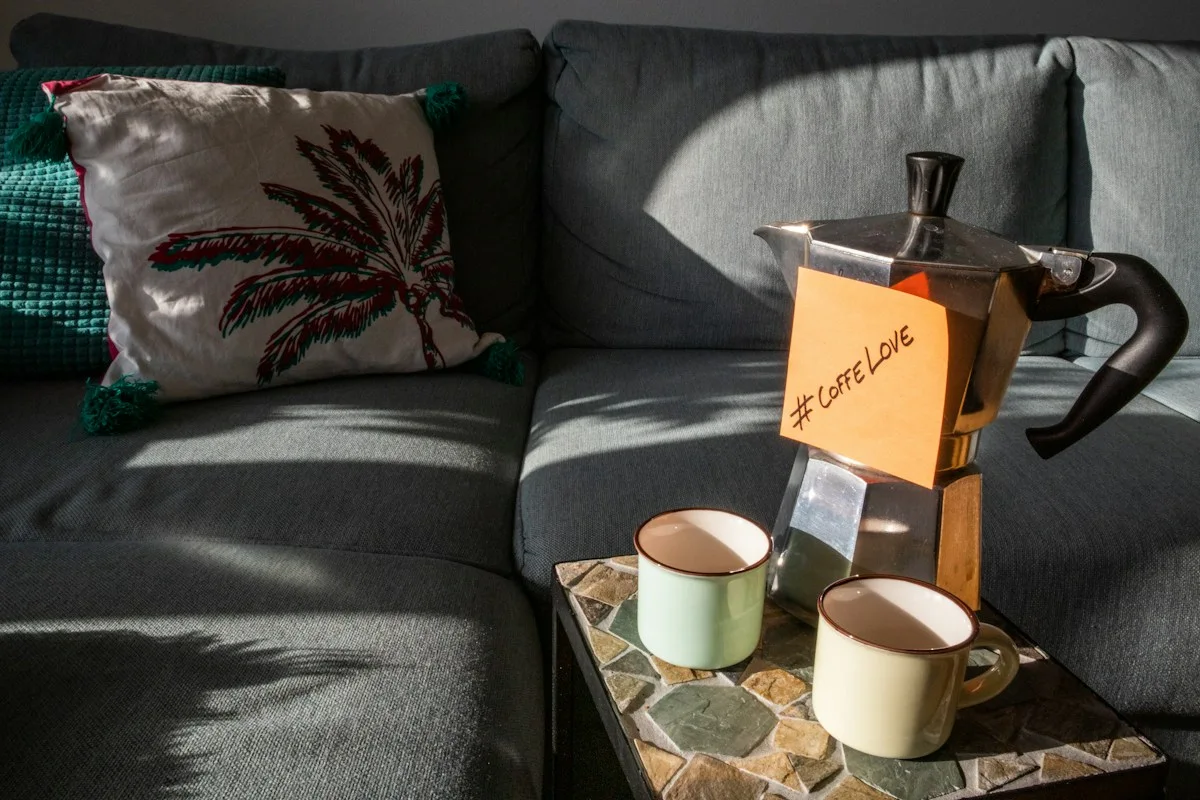
A guest's preferred cup can depend on its handle as well as the drink being offered. Let the person choose an appropriate available vessel rather than assuming the table's matching set suits everyone. A small practical question can make the welcome easier without turning the guest's preference into a public explanation.
Offer a manageable choice
Ask whether the available cup works for the guest or whether another suitable option would be better. Keep the conversation ordinary and allow a simple answer. Do not require someone to explain a personal condition before taking their preference seriously.
Keep each vessel within its intended use and the maker's information. Appearance alone does not establish suitability for every drink, appliance or care method. If an unfamiliar item lacks the information needed for the proposed use, choose a known suitable alternative rather than asking the guest to assess an uncertain product.
Consider the full handling task
The handle is part of setting the cup down, picking it up and finding an appropriate resting place. Give the guest room to make their own judgment rather than describing a particular shape as easy for everyone. A comfortable personal choice is more useful than an assurance based on how the host manages the same vessel.
The coffee-brewing workflow guide helps keep preparation understandable. Serving should connect to the actual guest and chosen cup, not end with a drink placed wherever the equipment sequence happens to leave a space.
Keep the table arrangement useful
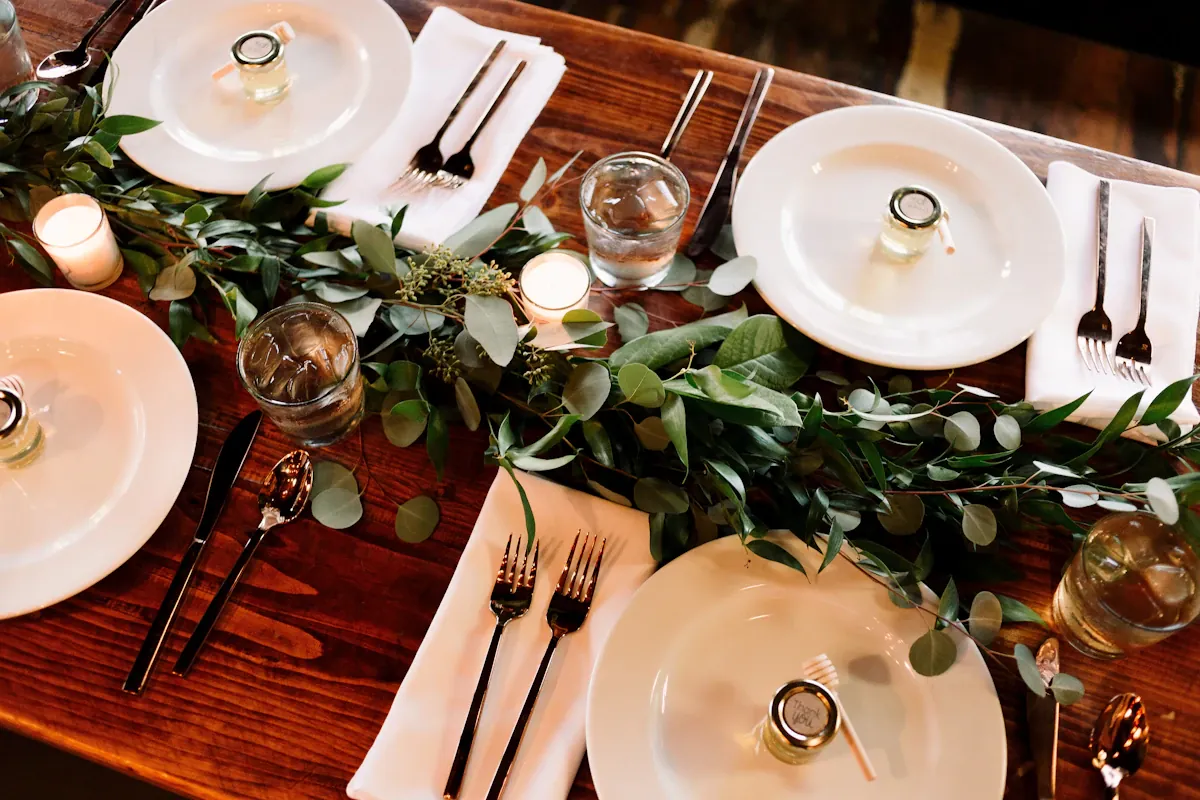
Choose a suitable place for the vessel according to the table's and product's requirements. Avoid surrounding it with objects that make ordinary use awkward. A decorative setting can remain personal without requiring the guest to move several pieces before reaching the handle.
The reading-chair side-table guide offers a related way to assess an occupied surface. Apply that attention wherever the guest will sit, keeping the intended activity and room movement in view rather than treating the cup as an isolated accessory.
Make a change uncomplicated
If the guest wants another suitable cup, accept that information without defending the original choice. Keep the drink's actual identity clear through any appropriate change and follow relevant handling guidance. A correction should make the task easier rather than become a demonstration that the host's first arrangement was reasonable.
After the visit, remember the useful preference in an appropriate private way if the guest wants it retained. Do not turn one person's choice into a universal buying rule for the household. A good guest-cup arrangement leaves ownership of the comfort judgment with the person using it, while the host supplies accurate product information and a practical setting. Matching presentation can remain enjoyable, but it need not decide which suitable handle someone should use.