This article may include affiliate links. We may earn a commission from purchases, at no extra cost to you. Read our disclosure.
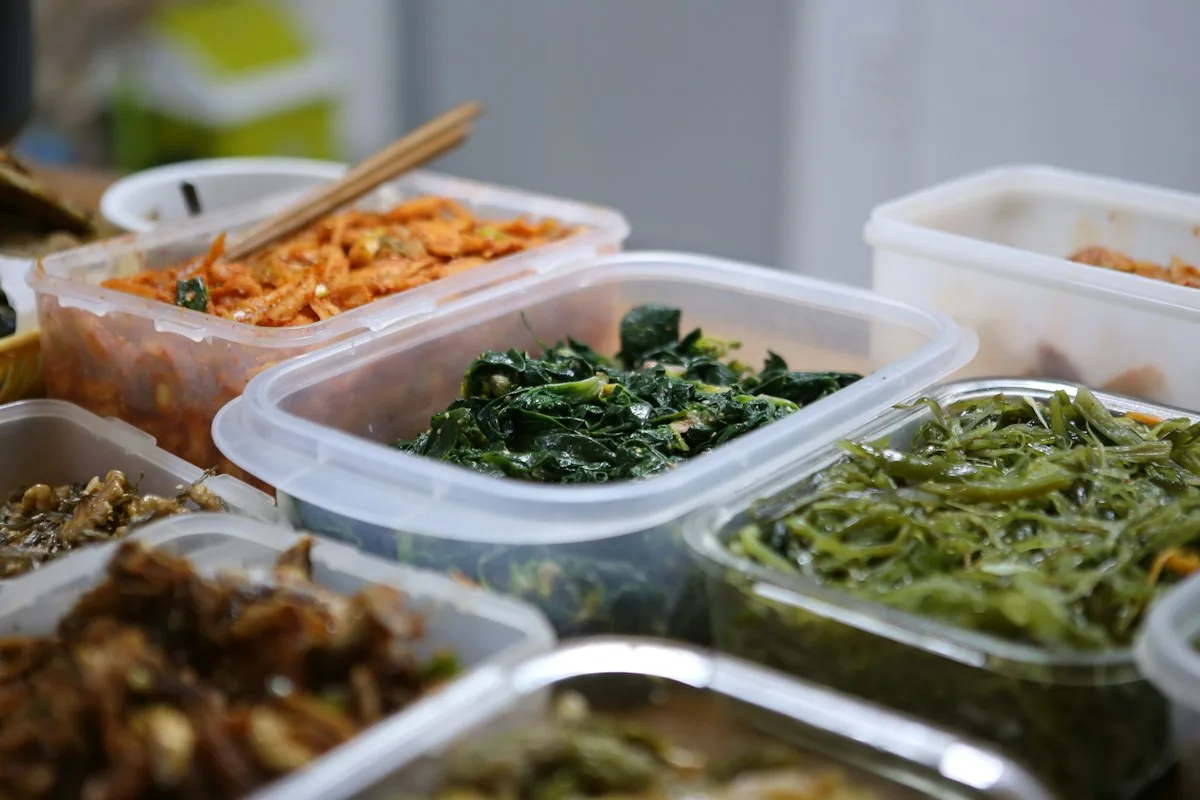
A food container's opening affects the serving task as well as packing. A spoon may fit inside while being awkward to use with a deep corner, and a fork may need room that an empty-container photograph does not reveal. Compare the intended container with the actual cutlery and meal role before deciding its shape works for your routine.
Name how you expect to use it
Decide whether you intend to eat from the container, transfer food to a plate or use another appropriate arrangement. Those are different tasks. A storage product should be used only in ways supported by its actual information, not assigned a serving role because the lid comes off conveniently.
Read the relevant product requirements for contents, handling and care. Do not infer that every clear box or matching set is suitable for the same foods, temperatures or equipment. The opening comparison is one practical question within a larger product decision.
Compare the empty objects first
Use the actual appropriate spoon or fork and the container in a suitable clean setting. Notice the space around the handle and the way you can reach different parts without forcing either object. Keep an informal trial modest and avoid using a utensil in a way its own information does not permit.
Consider the lid and any supplied components separately. A lid used as an improvised plate or utensil rest may not have that intended role. Check the actual information instead of letting a temporarily empty piece acquire a job through convenience.
Include the meal's physical form
Think about the food you genuinely plan to put in the container through appropriate food guidance. A mixture you intend to spoon, separate pieces you expect to lift and a dish transferred onto a plate create different access questions. Do not select a shape solely because another person's lunch photograph looks neatly divided.
The mix-and-match lunch guide helps keep the contents connected to actual meals. A container should support that plan rather than determine the whole menu because its compartments look satisfying when empty.
Check the place where the meal happens
Consider the suitable surface and ordinary space available for the container, lid and cutlery. A generous home counter may hide a practical difficulty that appears at the actual lunch place. Do not assume every setting provides another plate or a spare surface for components.
If the arrangement remains awkward, compare another suitable container format or a different appropriate serving plan. A simpler shape can be more useful than a larger coordinated set whose opening does not support the task you need.
Complete the care and return
The container cupboard guide supports the next part of ownership. Follow the actual care information, keep matching parts identifiable and return the container through an understood ready routine.
Record a useful specific observation if it helps a future choice: comfortable to serve this meal with this spoon, for example. A considered opening comparison leaves capacity, closure and food handling as their own requirements while giving the everyday serving movement the attention it deserves.