This article may include affiliate links. We may earn a commission from purchases, at no extra cost to you. Read our disclosure.
In this guide
Preparing lunches does not have to mean lining up five identical boxes. A flexible approach prepares a few components that can change roles: a cooked grain becomes a bowl or salad, chopped vegetables become a side or wrap filling, and a sauce connects several combinations.
The challenge is choosing enough variety to make lunch appealing without creating more work than it saves. Start with the lunches you actually need. Someone working at home has different options from someone carrying a meal on a train with no refrigerator at the destination.
Begin with the lunch setting
Write down where you will eat and what equipment is available. Can you refrigerate the food, reheat it, or wash a bowl? Is there a reliable way to transport it under suitable conditions? Follow official food-storage guidance for your circumstances and use appropriate containers rather than guessing that any packed lunch will be fine.
Then choose a format. A warm bowl needs different components from a sandwich or snack plate. Planning the format first prevents the common problem of having several prepared ingredients but no meal that fits your workday.
Choose a compact set of components
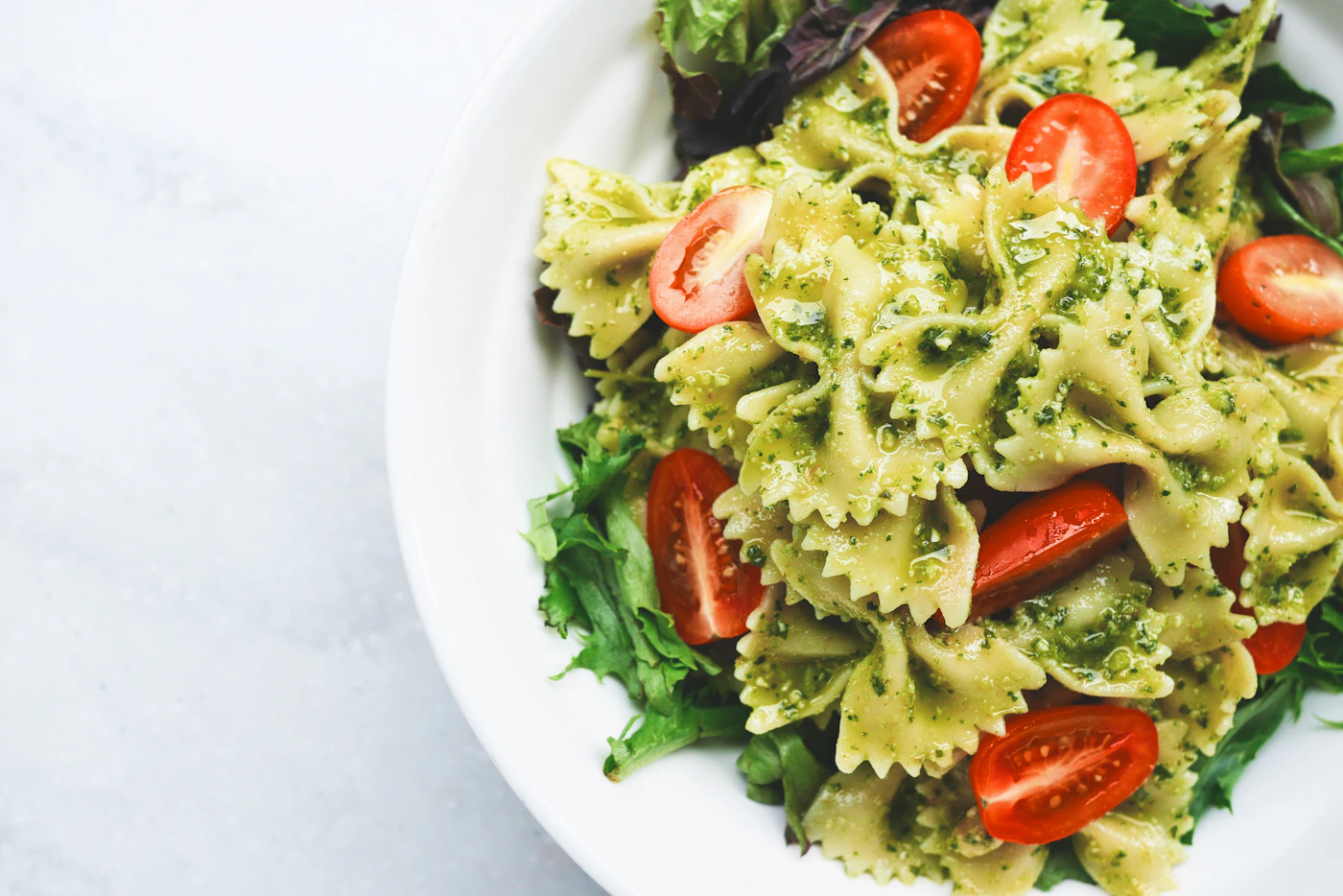
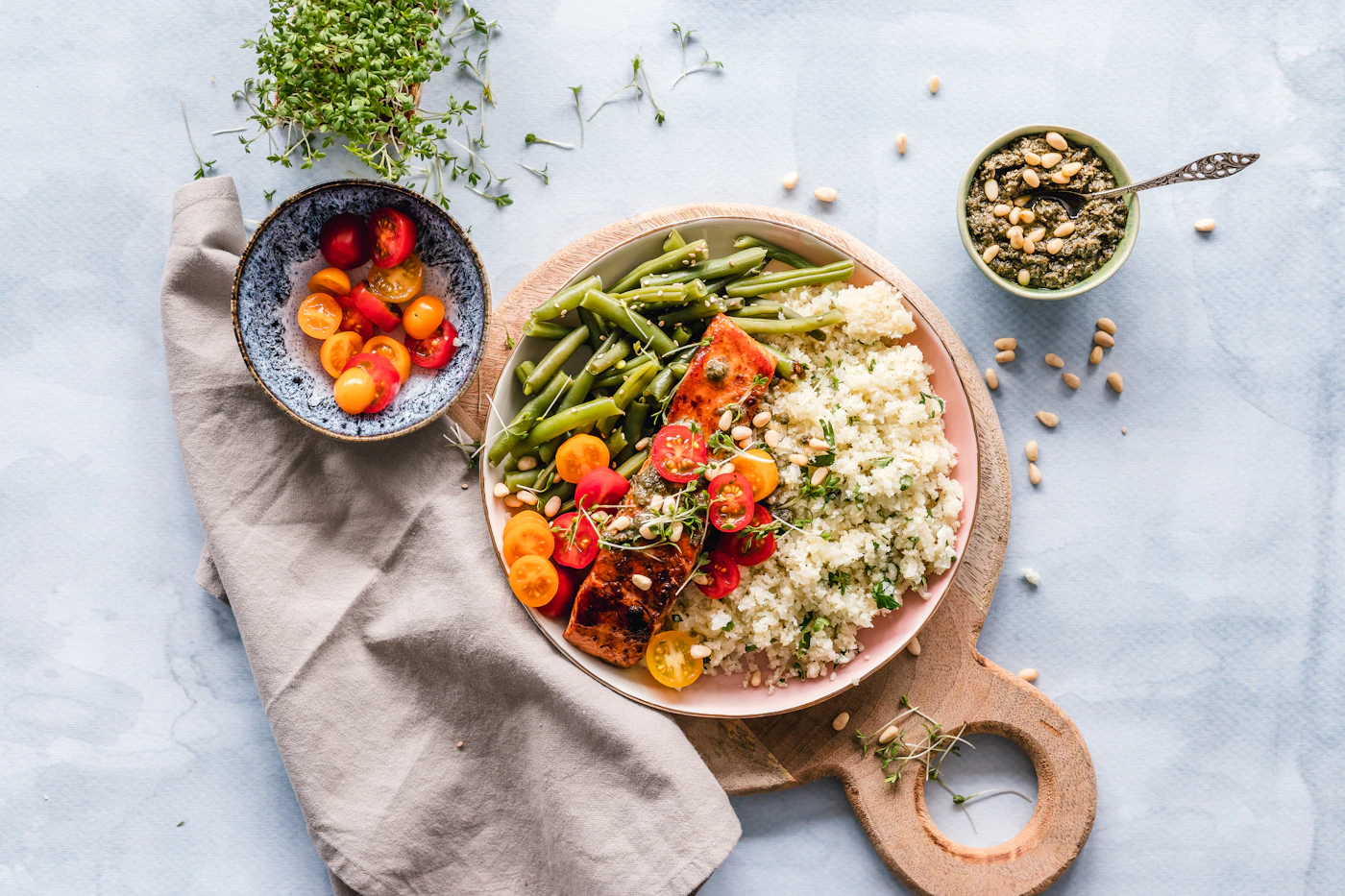
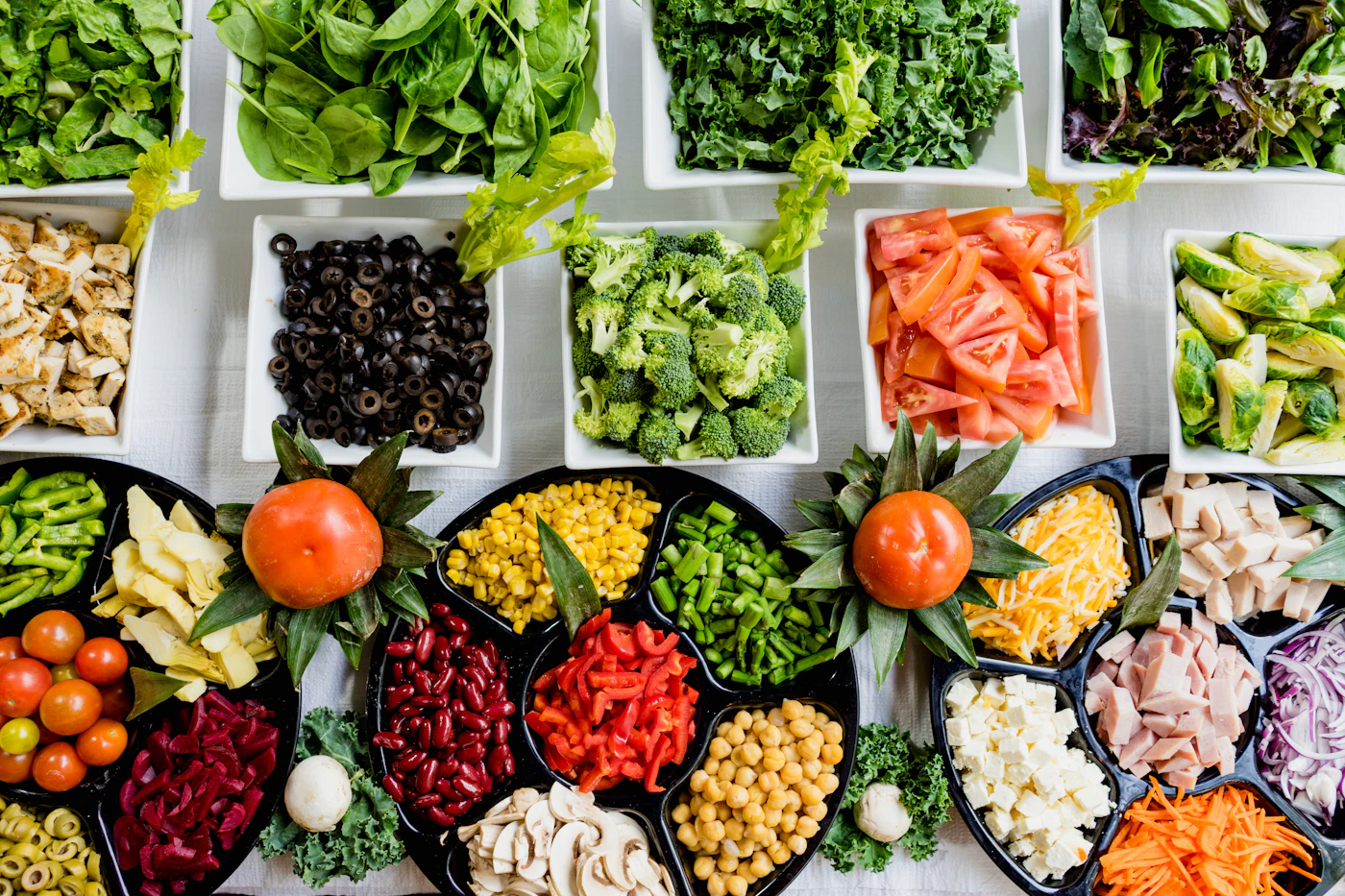
For a small household, begin with one cooked base, two vegetables, one substantial filling, and one sauce. That might be rice, roasted carrots, sliced cucumber, chickpeas, and lemon yogurt. Another combination could be pasta, cooked peppers, leafy greens, beans, and a herb dressing.
Use foods you enjoy in more than one arrangement. A distinctive sauce can be delicious but may make every lunch taste the same. A fairly neutral base with a finishing condiment added at serving gives you more freedom.
Prep in a useful order
Start with the component that needs the most unattended cooking, such as a tray of vegetables or a pot of grain. While it cooks, wash and prepare fresh vegetables using suitable food-handling practices. Mix the sauce last so you can taste it against the other ingredients.
Keep the counter clear enough to work comfortably. An orderly sequence saves more effort than buying another container set. Put away ingredients once you have used them and move finished components into appropriate storage promptly, following relevant guidance for each food.
Assemble different lunches
For the first lunch, combine grain, roasted vegetables, filling, and sauce in a bowl. Add cucumber separately for crunch. For another meal, put a smaller amount of the same filling into a wrap with leaves and dressing. For a third, turn the grain into a salad with extra herbs and chopped vegetables.
These are variations, not a mandate to stretch the same preparation across an entire week. Plan quantities around the foods involved, your storage setup, and how soon you will eat them. Freeze suitable components when appropriate rather than treating the refrigerator as indefinite storage.
Protect texture as well as convenience
Pack wet and dry ingredients separately when possible. Dressing can soften leaves and bread before lunchtime. A small lidded pot is helpful if it seals reliably and fits the main container; an elaborate compartment system is unnecessary if an ordinary jar already does the job.
Consider how the meal will be eaten. Large leaves and long strips of vegetables can be awkward at a desk. Bite-size pieces and a container wide enough to mix in make a difference. Include the utensil you actually need, especially if office supplies are unreliable.
Buy containers for your routine
Glass containers offer a clear view of the contents and can suit reheating when the manufacturer permits it, but they are heavier to carry. Plastic containers are lighter, though suitability for heating and cleaning depends on the product. Check the lid instructions separately from the base.
Before buying a set, measure the bag and shelf where it will live. One container in the right shape is more useful than many mismatched pieces. Choose replacements whose lids you can identify quickly, and avoid saving every empty tub without a plan.
Review what came home
At the end of the week, notice which meals were eaten and which were avoided. Perhaps the bowl needed more sauce, the wrap was too fragile, or the portion was awkward. Adjust one thing instead of abandoning preparation altogether.
Keep a short list of successful combinations. Roasted vegetable grain bowls provide a starting framework, while a practical container cupboard makes packing easier. The best preparation system is small enough that you are willing to repeat it.