This article may include affiliate links. We may earn a commission from purchases, at no extra cost to you. Read our disclosure.
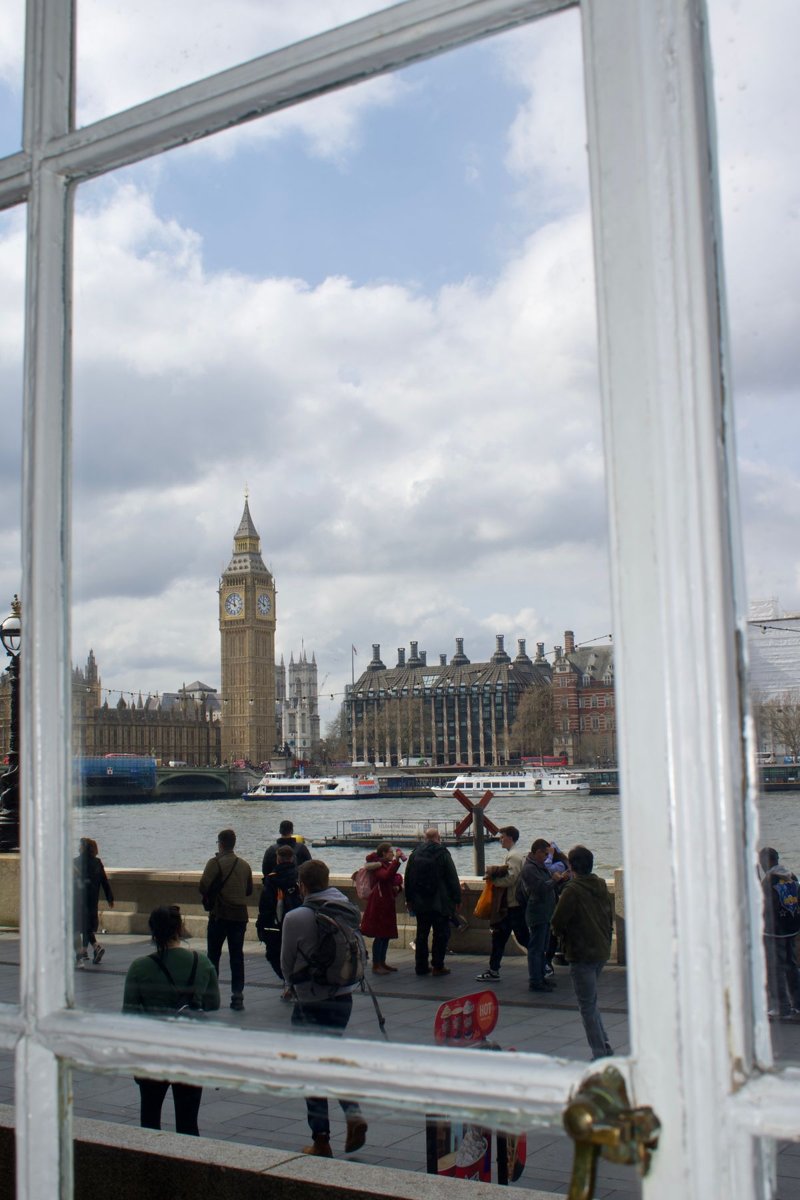
A building's outline can be easier to notice when you include the ordinary foreground instead of trying to remove it from the view. A river edge, nearby roof or public opening may show the relationship between the larger form and the place around it. Choose one small visual comparison from a permitted position. You do not need architectural expertise to describe what you can see, and the description does not need to become a history of the building.
Begin with an appropriate place to look
Use an ordinary permitted public position and follow local instructions. Keep paths and entrances clear, and do not lean into an unsuitable area to obtain a more dramatic angle. A view can remain interesting when the practical place available to you differs from a familiar photograph.
Keep the stop compatible with the outing. If a companion wants another pace, discuss a short pause or a separate agreed moment rather than allowing observation to become an unexplained delay. The point is a manageable addition to the day, not another task everyone must complete.
Trace the broad outline in your attention
Look at where the building meets the sky or neighbouring forms. Notice a change in height, an opening or a repeated shape without trying to identify every detail. A rough line in a notebook can help, but a few plain words can do the same job.
Avoid assigning a style, age or purpose through appearance alone. Those factual questions need a suitable reliable source. Your first observation can remain about the visible form, leaving its historical explanation separate.
Include one foreground relationship
Choose a nearby element that helps explain the view. It may sit below the main form, cross part of it or create a visible edge around it. Ask whether it changes the sense of distance or simply makes the composition more crowded. Describe the actual effect you notice rather than applying a rule that every image needs a strong foreground.
The woodland observation guide uses a similar small limit in a different setting. One clear relationship can be enough to make an ordinary outing more specific without collecting every feature in sight.
Keep the record honest and modest
If you make a photograph, respect the setting and the people around you. Do not move others or their belongings to create a clear frame. A personal note can describe the view without identifying strangers or repeating private conversations nearby.
Record the location only as precisely as you can establish. If a name remains uncertain, leave it open instead of attaching the most plausible one. A small accurate observation is more useful than a polished account built around a mistaken identification.
Then return to the route. The day-trip planning guide helps leave space for this kind of unhurried attention without filling the itinerary with obligatory stops. The building and foreground have supplied a relationship to notice; they do not need to become a complete drawing, a public post or a verdict about the whole city.