This article may include affiliate links. We may earn a commission from purchases, at no extra cost to you. Read our disclosure.
A woodland walk can feel attentive with one small observation to follow. You do not need to identify every plant or turn the outing into a nature lesson. Choose a simple theme, keep the route suitable, and make a few notes that help you remember what you noticed without interrupting the pleasure of being outside.
Confirm the route first
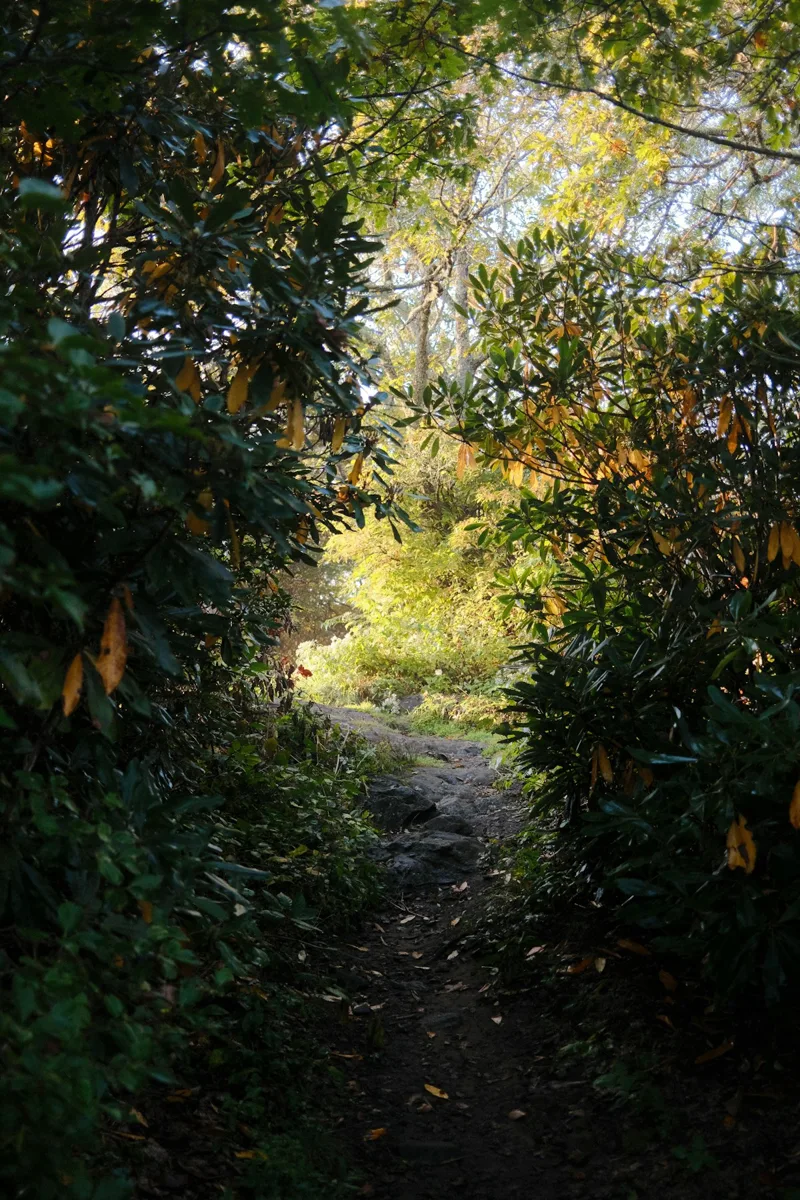
Use current official information for the place you intend to visit, including access, permitted paths, conditions, and any restrictions. Choose a route suited to the people going and follow relevant weather or site advice. A photograph of a peaceful path does not establish the difficulty, facilities, or current suitability of the actual location.
Plan the return and any necessary personal equipment before choosing the observation theme. Keep appropriate communication and assistance arrangements for the setting. The notebook is an optional addition, not a substitute for the practical preparation the walk requires.
Choose something visible without interference
You might notice patterns of light, changes in the path's appearance, or the shapes of trees from permitted public positions. Avoid touching, collecting, feeding wildlife, or leaving the path unless official guidance explicitly permits the activity and it is appropriate. Observation does not require taking something home.
Keep identification separate from curiosity. If you do not know a plant or animal, record what you can accurately see rather than assigning a confident name. Use reliable sources later when needed, and never treat an uncertain identification as a basis for eating or handling something.
Make notes at a suitable pause
Stop in an appropriate place that keeps the route clear and does not disturb the setting. Write a short description, the location information useful to you, and perhaps a question to explore later. A small number of clear observations is easier to revisit than hurried pages written while trying to keep walking.
Our beginner walk packing list helps keep the outing's preparation focused. Choose a suitable existing notebook or device arrangement if you already have one, protecting it from conditions according to its requirements rather than buying specialist equipment immediately.
Let companions choose their involvement
Explain the idea briefly and allow others to enjoy the walk differently. One person may want to take notes while another prefers conversation or silence. Agree any pause and meeting arrangement clearly so the activity does not become an unexpected delay for the group.
The rainy weekend guide offers a way to continue the interest indoors through reading or reviewing notes when the outdoor plan is unsuitable. You do not have to collect a new observation on every outing.
What if I notice nothing unusual? Record an ordinary detail accurately. Familiar light, a repeated shape, or a change from your previous visit can be enough. The purpose is attention and enjoyment, not producing a remarkable discovery or a complete field guide after one walk.