This article may include affiliate links. We may earn a commission from purchases, at no extra cost to you. Read our disclosure.
A serving diagram is a small plan for where dishes and table objects go. It is not a shortened recipe. Use it to make the table's arrangement understandable while keeping reliable preparation instructions available separately. A rough drawing on spare paper can help you notice crowding before food reaches the table, without turning an ordinary dinner into a project in presentation.
Draw the table you actually use
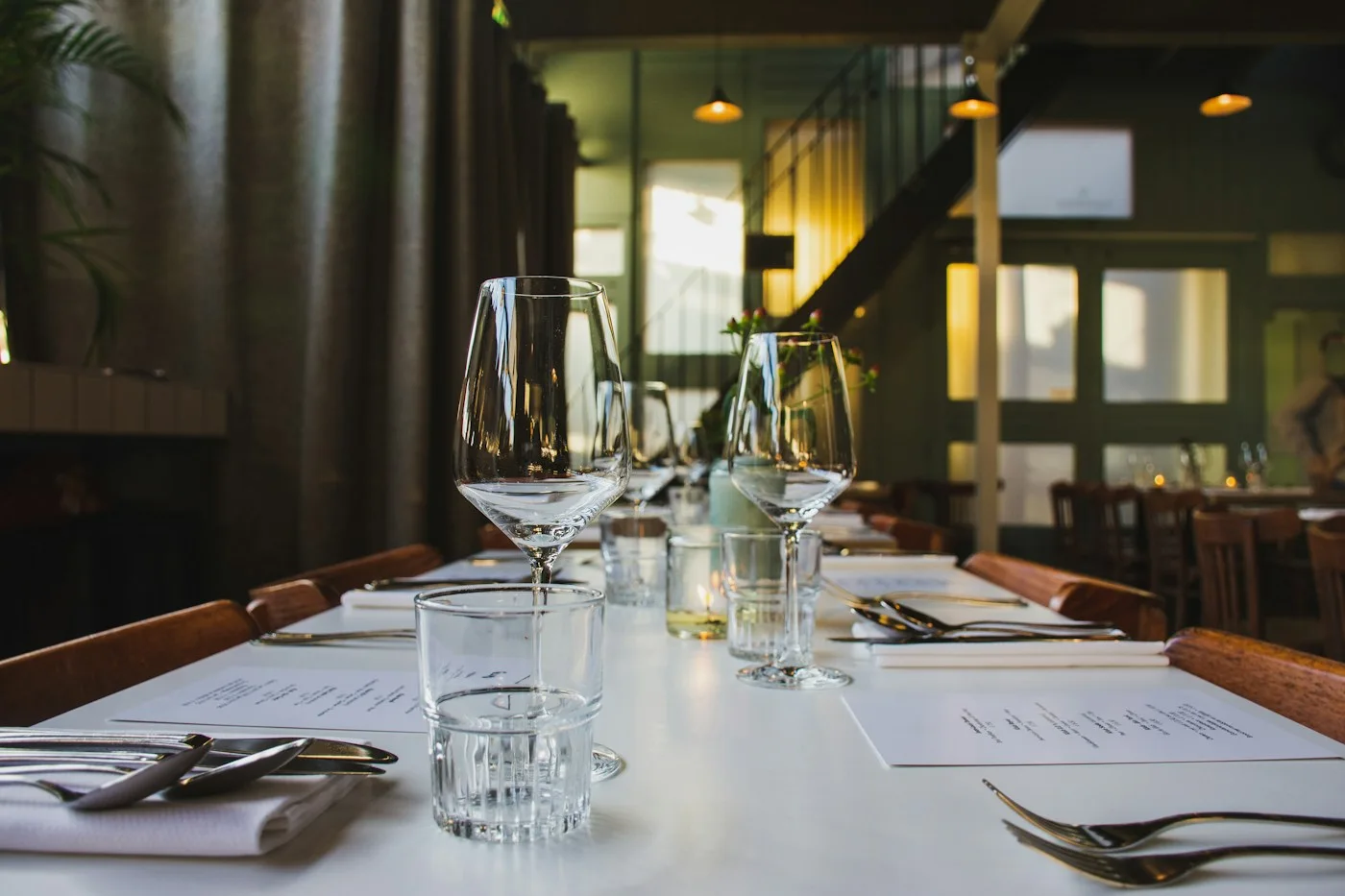
Make a simple outline and mark the occupied places. Include the chairs' ordinary approaches and any area that needs to remain clear. The sketch does not need scale precision to show that a large central dish and several decorations are competing for the same patch of table.
Use the real serving pieces in a modest empty rehearsal where appropriate. A shape labelled serving bowl is more useful when it refers to the bowl you actually intend to use. If a piece is still undecided, mark that question rather than drawing a convenient imaginary object.
Label the serving roles
Distinguish individual plates from shared items. For example, the main serving may arrive at each place while an appropriate accompaniment has one agreed position. Write the dish name clearly enough that a helper can understand the plan without guessing which component you meant.
Keep the relevant utensils and any necessary ingredient information connected to the actual dish. The shared meal ingredient record handles that factual reference. A diagram can show its place, but it does not establish contents or suitability.
Show changes between stages
If the table changes during the meal, make a separate small note for the next stage instead of putting every object on the first drawing. A piece that is not needed yet can remain in its appropriate place until the actual serving plan requires it.
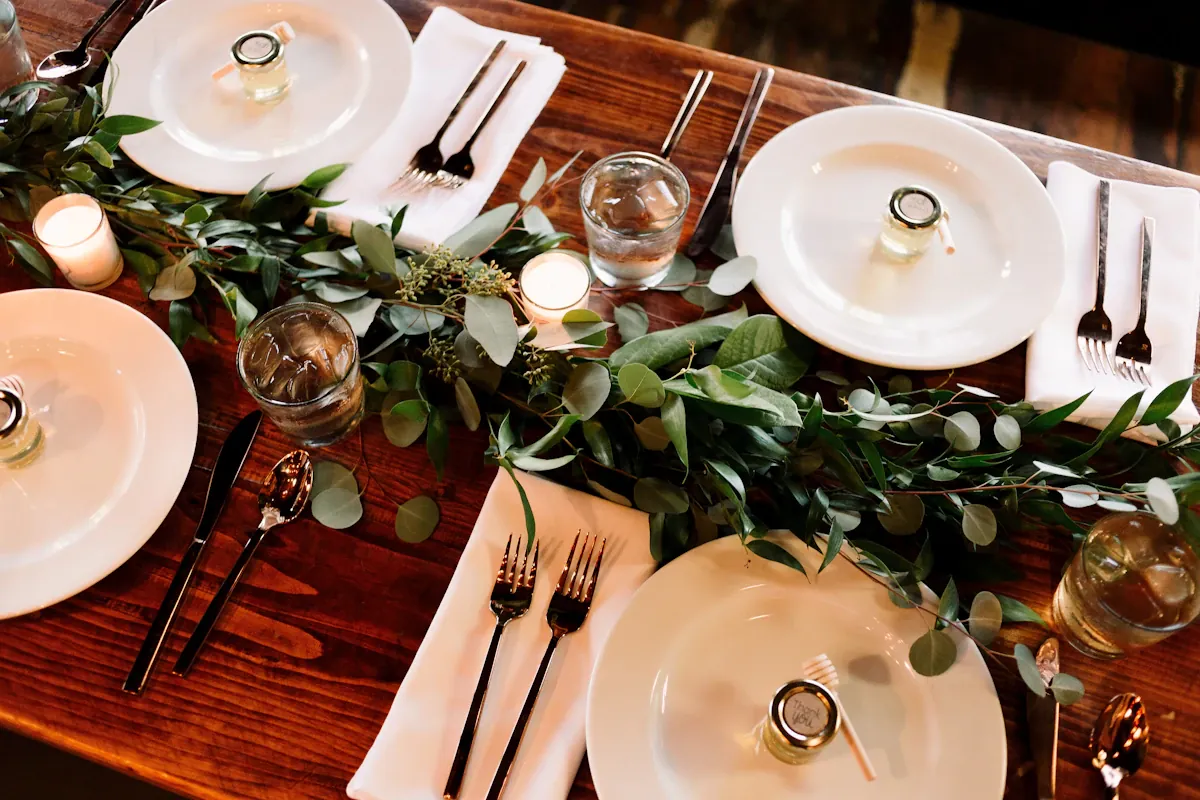
The table-decoration space guide helps decide which decorative objects genuinely fit. The diagram should reveal a practical conflict, not encourage you to find a smaller version of every object so that nothing has to be removed.
Keep food preparation on its own basis
Do not transfer temperatures, essential timings or completion instructions into an abbreviated table sketch and then cook from it. Follow the complete reliable recipes and relevant food guidance for the actual dishes. The serving plan concerns arrangement and handover; it cannot answer a preparation question through where a bowl is drawn.
If one dish's requirements affect the sequence, resolve that through the appropriate source and update the serving note accordingly. Avoid solving an important food question by moving a label to a more convenient place on the page.
Give helpers one current version
Explain the drawing briefly to anyone using it and make changes clear. A cohost should not have to compare several sketches while guests are arriving. Keep private guest information out of a plan that may remain visible on the counter.
After the meal, retain only a useful arrangement you expect to repeat, with a short note about what changed. A serving diagram has succeeded when it made the table easier to use and the handover clearer. Its roughness is an advantage if it keeps the planning small enough to leave attention for the actual meal and company.