This article may include affiliate links. We may earn a commission from purchases, at no extra cost to you. Read our disclosure.
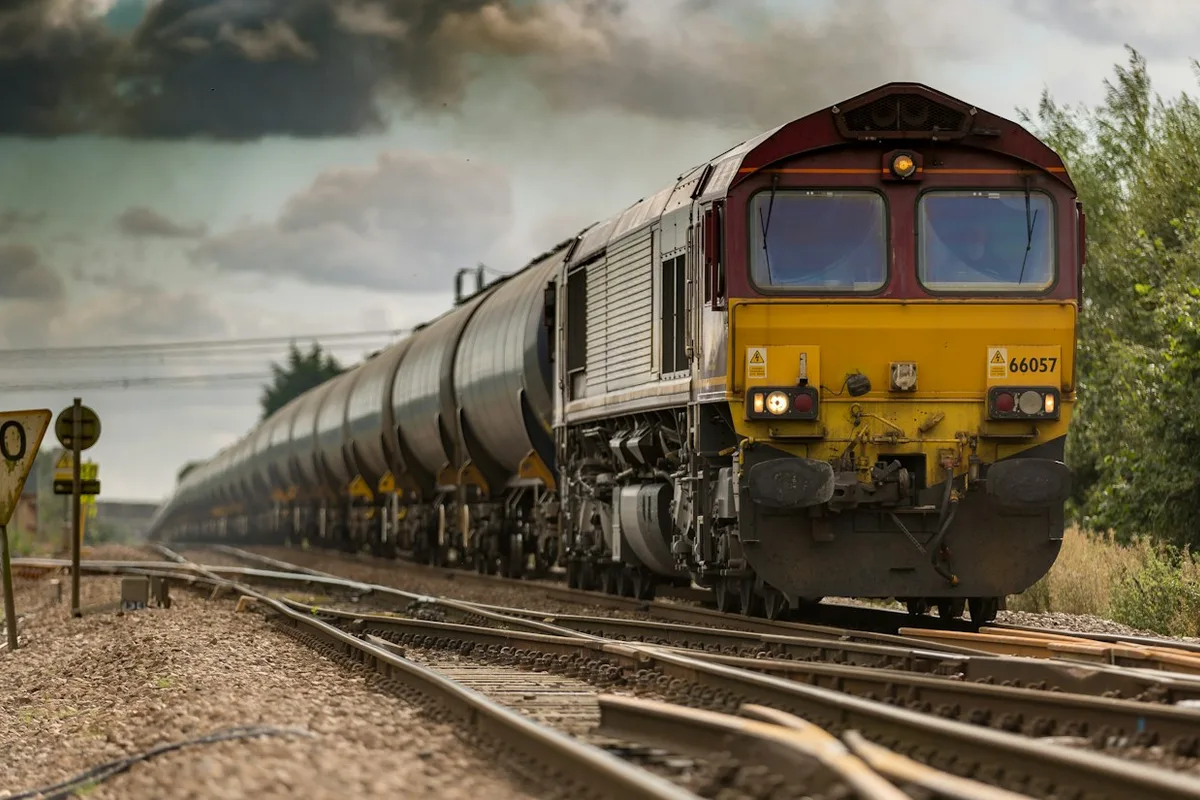
A rail day trip should have a return plan before it has a full list of things to see. The journey home determines how far you can comfortably explore, where a final meal belongs, and what happens if the day changes. Treat the return as part of the outing rather than a detail to solve when everyone is tired.
Start with the actual ticket
Read the current conditions for your own ticket and service, including any reservation or permitted-train requirements. Do not assume a ticket works on every departure because another traveler has a flexible fare. Use the operator's official information to resolve uncertainty before booking the rest of the day.
Confirm the exact stations involved. A city can have more than one station, and the return may not leave from the place your map suggests first. Save the correct names and booking details in an accessible protected format, keeping sensitive information appropriately secure.
Work backward from departure
Allow appropriate time for the journey to the station and the operator's current boarding requirements. Include any bag retrieval, a bathroom stop, and the actual walking route from your final planned activity. A map estimate is a starting point, not a promise about crowds, individual pace, or temporary changes.
Choose the last activity geographically. A distant attraction can create pressure even when it looks like a short visit. Put a flexible final stop near a suitable return route, or leave the last part of the day unassigned so the journey does not depend on everything finishing exactly as imagined.
Keep current information available
Check operator updates at appropriate points and when a notification arrives. Know how to obtain assistance or current alternatives if arrangements change. An offline timetable can help identify the intended service, but it does not establish that the train is running as originally scheduled.
Our low-stress day-trip guide helps keep the sightseeing portion proportionate. Leave room to enjoy a place without treating every gap before the return as time that must be filled with another booking.
Plan the last meal deliberately
Decide whether food belongs before departure, after returning, or as a suitable carried option. Check venue or transport arrangements where relevant, and follow appropriate food handling for anything you bring. Avoid making a particular cafe the only way the group can eat before a fixed train.
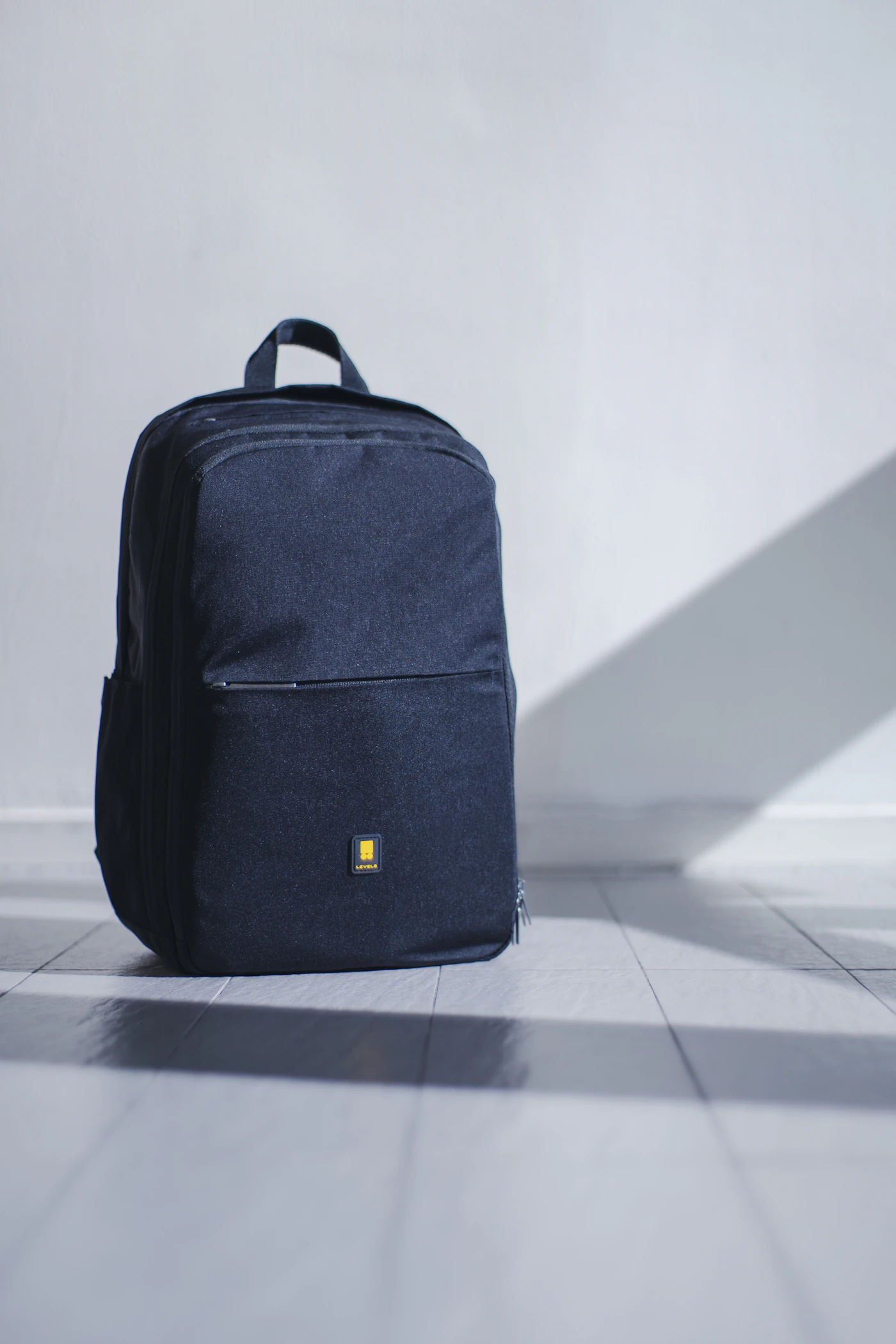
The weekend capsule-bag guide helps keep the carried load focused on real needs. A rail day trip generally does not require packing for every possible activity, but necessary personal items should remain reachable throughout the journey.
Should we always book the last train? Choose through your actual needs, ticket terms, and current service information. A later departure may offer more time while reducing convenient alternatives. Consider the complete consequence of a changed plan, and seek operator guidance where needed instead of assuming another train will always solve the return.