This article may include affiliate links. We may earn a commission from purchases, at no extra cost to you. Read our disclosure.
A mixing-bowl set can look efficient while containing several bowls you never reach for. The smallest may be too shallow for dressing, the largest too bulky for the dishwasher, and the middle sizes almost identical. A useful set begins with the tasks that need a bowl, then gives each selected size a distinct role.
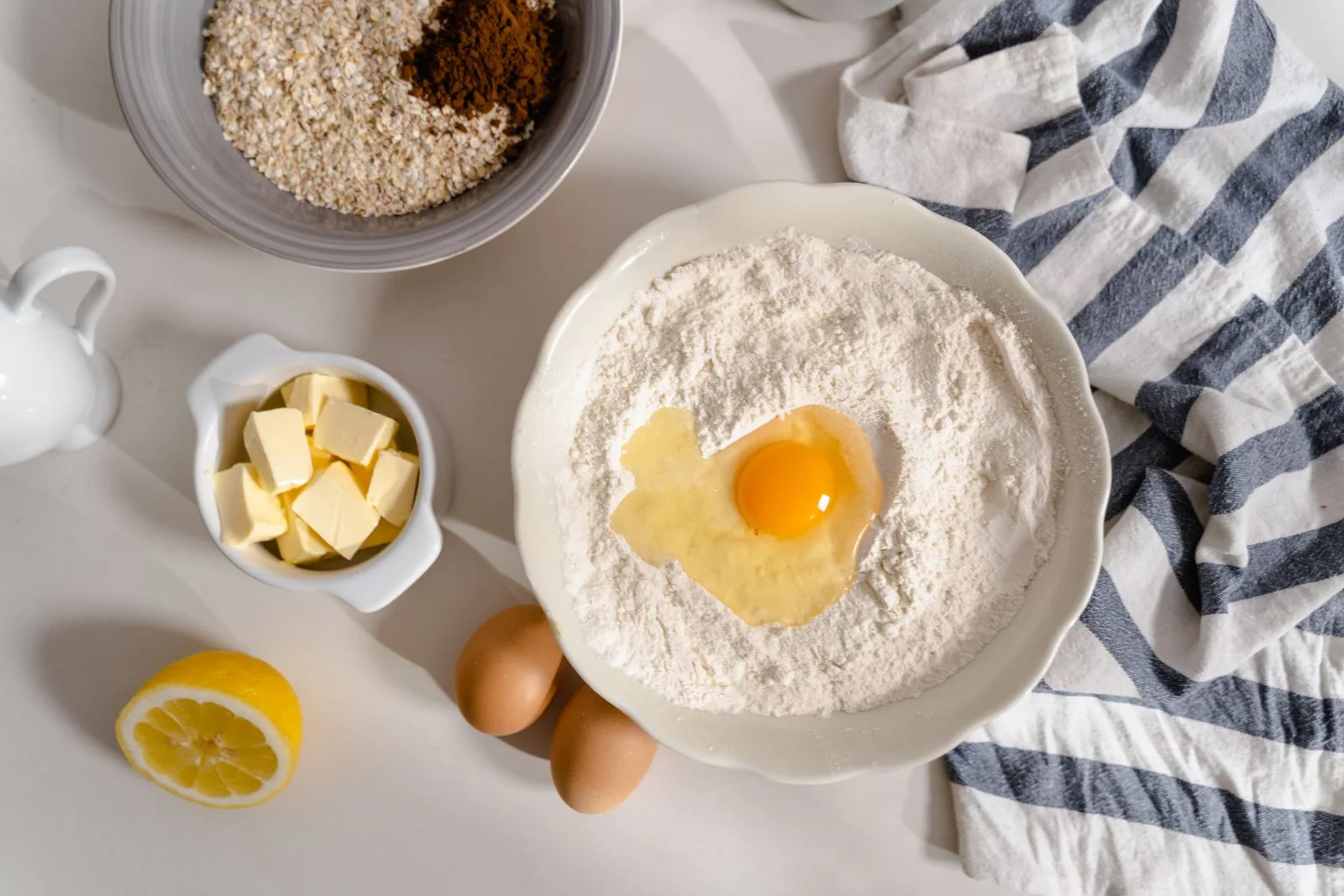
Take your existing bowls out and group them by use. Think of batter, salad, whisking, holding prepared ingredients, and serving. A dining bowl may already handle a small task perfectly. You do not need to replace mismatched pieces merely to create a matching photograph. The aim is a group that works together in your kitchen and fits the care routine you maintain.
Identify the large bowl's actual job
Choose the task that needs the most working space. Mixing a substantial batter differs from tossing a salad, and both require room above the ingredients. Capacity alone can conceal a shape that makes stirring awkward. Look at width, depth, and how easily you can reach the bottom with the utensil you use.
Check weight when empty and consider the eventual contents. A heavy bowl may feel stable on the counter but be difficult to lift or pour from. A lighter option may be easier to handle yet need a suitable non-slip arrangement as directed. Match the choice to your own comfort and the task rather than assuming heavier always means better quality.
Give the medium and small bowls different roles
A medium bowl might prepare vegetables or hold a smaller mix while the large bowl is occupied. The small bowl might whisk dressing or keep a measured ingredient ready. Name those roles before adding another size. If two bowls would always do the same job, decide whether you genuinely need them simultaneously.
Consider shape as well as capacity. A broad shallow bowl can be pleasant for some preparation but less suitable for vigorous whisking. A narrow opening may make pouring easy while reducing access. Try your normal spoon or whisk against the dimensions where possible. A product image with a tiny utensil can make the bowl look more spacious than it is.
Read use limits for the actual product
Verify whether the bowl is intended for the microwave, oven, freezer, dishwasher, or a particular mixing method before using it that way. Do not infer those permissions from a material name or from another bowl you own. Handles, coatings, lids, and construction can change the instructions. If you need one of those functions, make it part of the purchase brief.
Check compatibility with utensils and equipment. A bowl used with an electric mixer needs to suit the appliance and the task, following the relevant instructions. Avoid adopting a new use because the bowl happens to fit underneath. Clear information from the maker is more useful than a broad claim that the set does everything.
Inspect rims, bases, and grips
Look for comfortable handling and an even finish. A pouring lip may help with some mixtures, but check whether it suits the direction and grip you use. Handles consume storage space and can be useful or unnecessary depending on the bowl's role. A broad rim may help you hold the bowl but add to its outer dimensions.
Set the bowl on an appropriate flat surface and check ordinary stability. Examine any removable base or grip components and how they are cleaned. Do not choose a feature purely because it sounds convenient. Each added part can affect washing, drying, and eventual storage, so judge the complete routine.
Check nesting without sacrificing access
Measure the cupboard and compare the largest outer dimensions, including handles. Nesting bowls can reduce the footprint, but repeatedly dismantling a tall stack may be inconvenient. Keep frequently used sizes accessible and follow any guidance about protecting surfaces when stacked. Lids also need a defined home if the set includes them.
Should every bowl have a lid? Only if the lid supports a use you actually need and meets the relevant instructions. Is a matching set cheaper? Compare the total with the individual sizes you would use, rather than the number of pieces advertised. Can serving bowls do preparation work? Some can, within their intended use and care limits.
Our food-container cupboard guide explores a similar edit for lids and bases. For baking equipment decisions, see the baking-tray guide. A small bowl collection works well when its pieces are different enough to be useful and simple enough to retrieve.