This article may include affiliate links. We may earn a commission from purchases, at no extra cost to you. Read our disclosure.
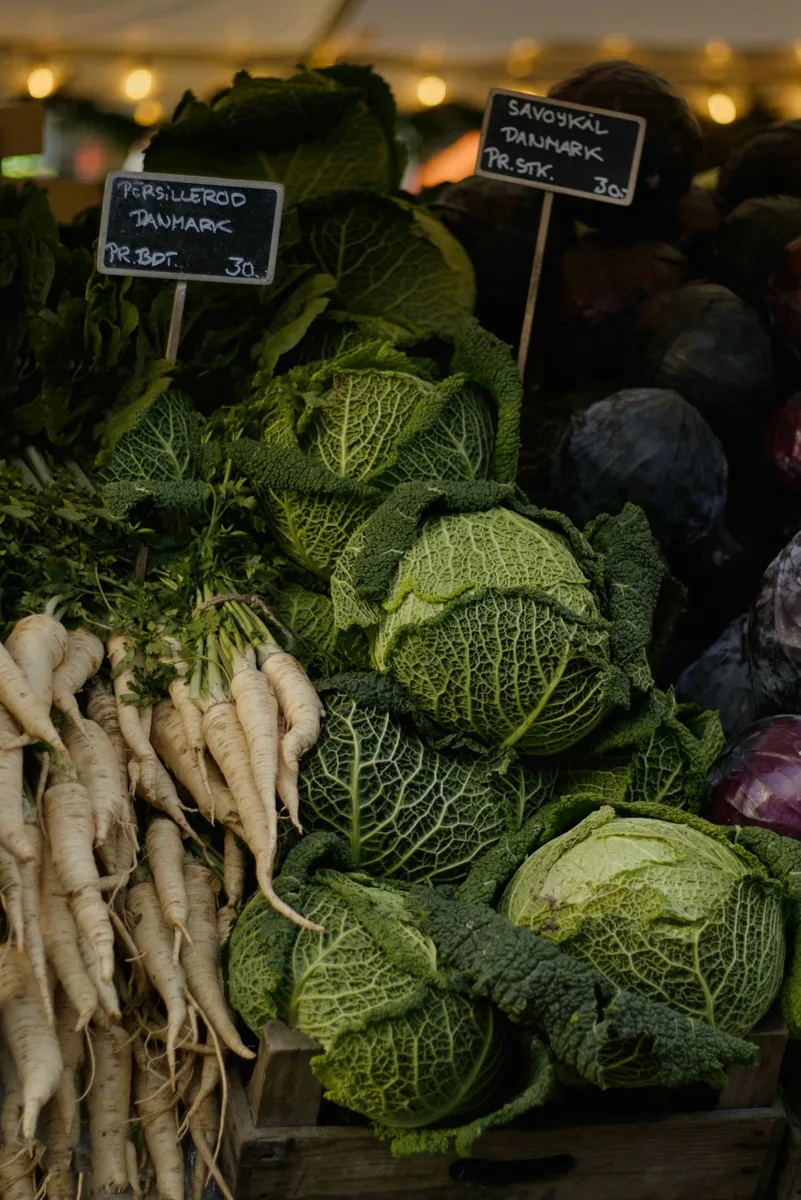
A vegetable market makes it easy to buy for an imagined week full of cooking. Your actual calendar may contain late evenings, a meal out, and ingredients already waiting at home. Count the meals still ahead before choosing quantities, so the market visit supports the kitchen rather than creating another urgent pile of produce.
Check the week before the stall
Look at the meals you genuinely expect to prepare and the food already available. Identify a few specific uses for vegetables, including the preparation time and equipment involved. 'We will eat more vegetables' is an intention; 'this goes into Wednesday's planned meal' gives a purchase a practical destination.
Consider the household's actual appetites and dietary requirements. Two people may want different portions or enjoy different preparations. Buy around those needs rather than assuming every item must appear in a large shared dish. Our grocery list for two helps turn that difference into a manageable plan.
Choose condition and quantity together
Inspect produce appropriately and ask the seller about identity or intended use when uncertain. Select quantities you can store and prepare under suitable conditions. A generous bundle is not automatically better value when most of it has no realistic meal before your schedule changes.
Keep the full carrying route in mind. Fragile produce may need protection from heavier purchases, and the whole shop must fit your comfortable load. Avoid adding another bulky item simply because you have not yet reached the end of the market. You can admire a display without buying from it.
Keep useful preparation flexible
Choose vegetables that fit more than one meal you already like, while following appropriate food handling and reliable recipes. Flexibility should mean a real alternative, not an unspecified promise to invent something later. A vegetable that works in your familiar roast or soup gives you a clearer fallback than an unfamiliar ingredient bought without a plan.
Our roasted vegetable bowl guide offers one practical meal structure. Use the recipe's requirements and the ingredients' actual suitability rather than treating every vegetable as interchangeable in cooking time or preparation.
Put the purchase into suitable storage
Unpack promptly and follow current authoritative storage guidance for each product. Keep useful identity information where it matters, and place items so you can recognize what needs attention. Do not wash or process everything automatically if the appropriate guidance calls for another approach.
Review the meal plan when an evening changes. Use suitable produce in a realistic alternative or reduce the next shop. Freezing, preserving, or gifting each has its own requirements; none should become an improvised rescue method based only on avoiding waste.
What if a market offer is unusually tempting? Name the exact additional meals and confirm appropriate storage before buying. If those answers are vague, keep the planned quantity. A smaller purchase that becomes enjoyed meals serves the household better than a bargain that creates pressure all week.
Planning references: FDA: Safe Food Handling. Confirm current arrangements with the relevant provider.