This article may include affiliate links. We may earn a commission from purchases, at no extra cost to you. Read our disclosure.
A family camera session can end with an agreed selection rather than a large collection of images nobody has reviewed together. Taking photographs and deciding what happens to them are separate tasks. Make the final choice understandable so a pleasant activity does not become an assumption about which pictures will be kept, edited or shared.
Start with a modest purpose
Ask what the participants want from the session: a family memory, a record of a project or another clearly understood idea. Keep the task appropriate to the people and equipment involved, with a responsible adult managing the arrangement where needed. Do not make participation a test of whether someone is enjoying the occasion enough.
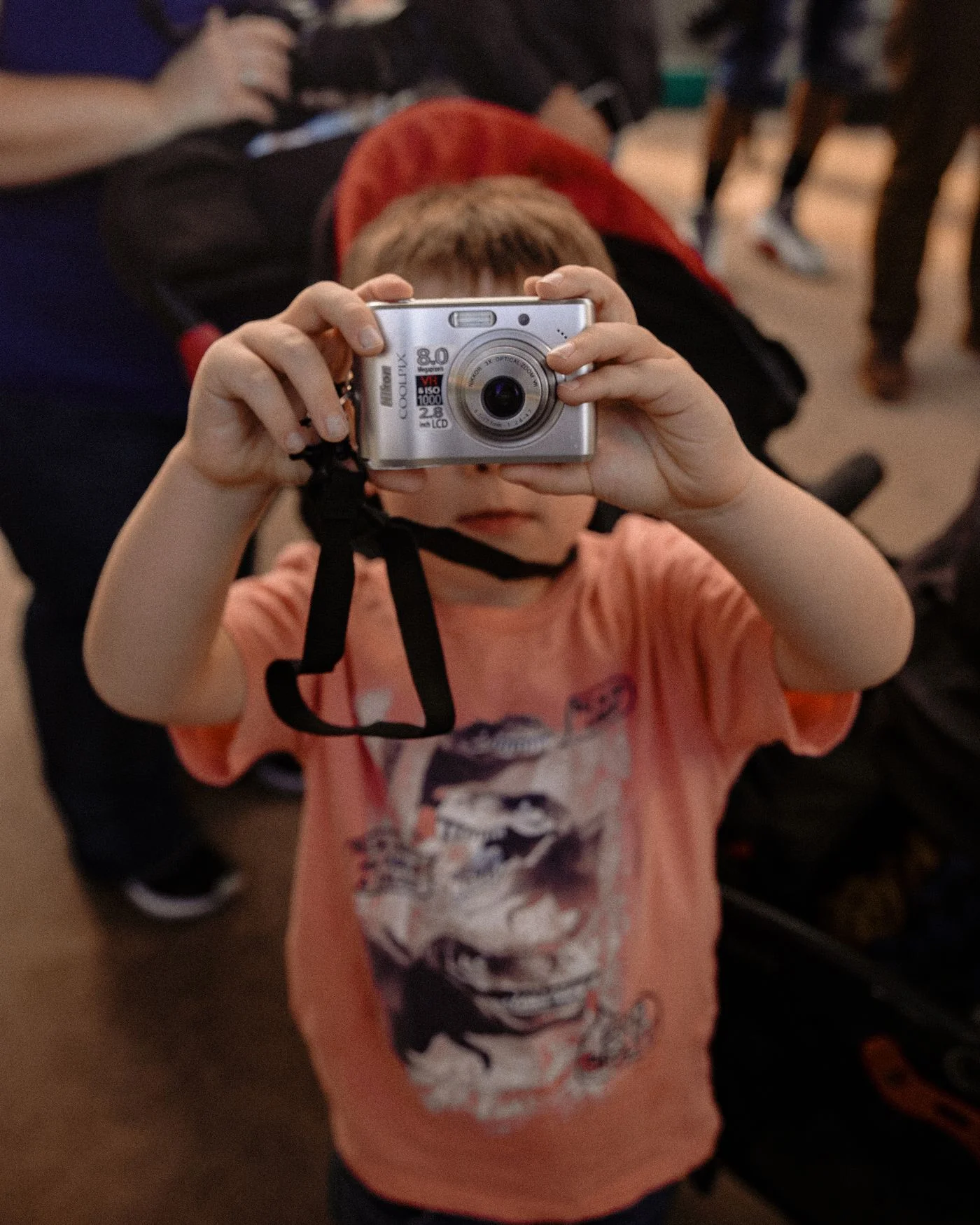
Use equipment through its intended instructions and a suitable setting. The owner should explain any relevant handling and keep unfamiliar technical decisions with reliable product information. A short shared activity does not need an improvised lesson in every camera function to become worthwhile.
Review the actual images
Choose a manageable moment to look at the frames together rather than asking for a broad agreement about photographs in general. Show the whole image, including edges or background details another person may care about. A different expression or an unintended item in view can affect the selection even when the main scene seems similar.
Keep the decision personal and kind. A participant can prefer a different frame or ask to leave an image unshared without needing to defend the choice. Do not treat the photographer's favourite composition as the only valid account of the shared moment.
Agree what the selection is for
Distinguish a private family record from a wider audience. If a caption or significant edit is proposed, show that version and discuss the information it includes. Keep the responsible adult involved in decisions concerning a child while listening appropriately to the child's preferences too.
The hobby-practice notes guide supports recording a useful observation from a creative session. Keep such notes as personal observations rather than assigning an experience or feeling to another participant because it makes the image's story more engaging.
Close the session clearly
Keep agreed selections distinguishable from a larger private collection so an excluded frame does not return in a hurried batch later. Follow the owner's understood file process and do not delete or transfer another person's material by assumption. If a technical step is unclear, resolve it before treating the session as finished.
The small hobby-box guide helps keep an activity proportionate to its purpose. Return the equipment appropriately and preserve the few useful decisions rather than turning the review into another major project. A good family photo selection gives the session an understandable ending, keeping the pleasure of the activity connected to the people whose images and preferences make up the record.