This article may include affiliate links. We may earn a commission from purchases, at no extra cost to you. Read our disclosure.
A print you see every day can become almost invisible through familiarity. Choose one detail for a small looking pause rather than rearranging the whole room or buying something new. A line, colour or relationship between shapes can give you a fresh point of attention. Keep the observation personal and distinguish it from facts about the maker or work that you have not established.
Choose one image within the group
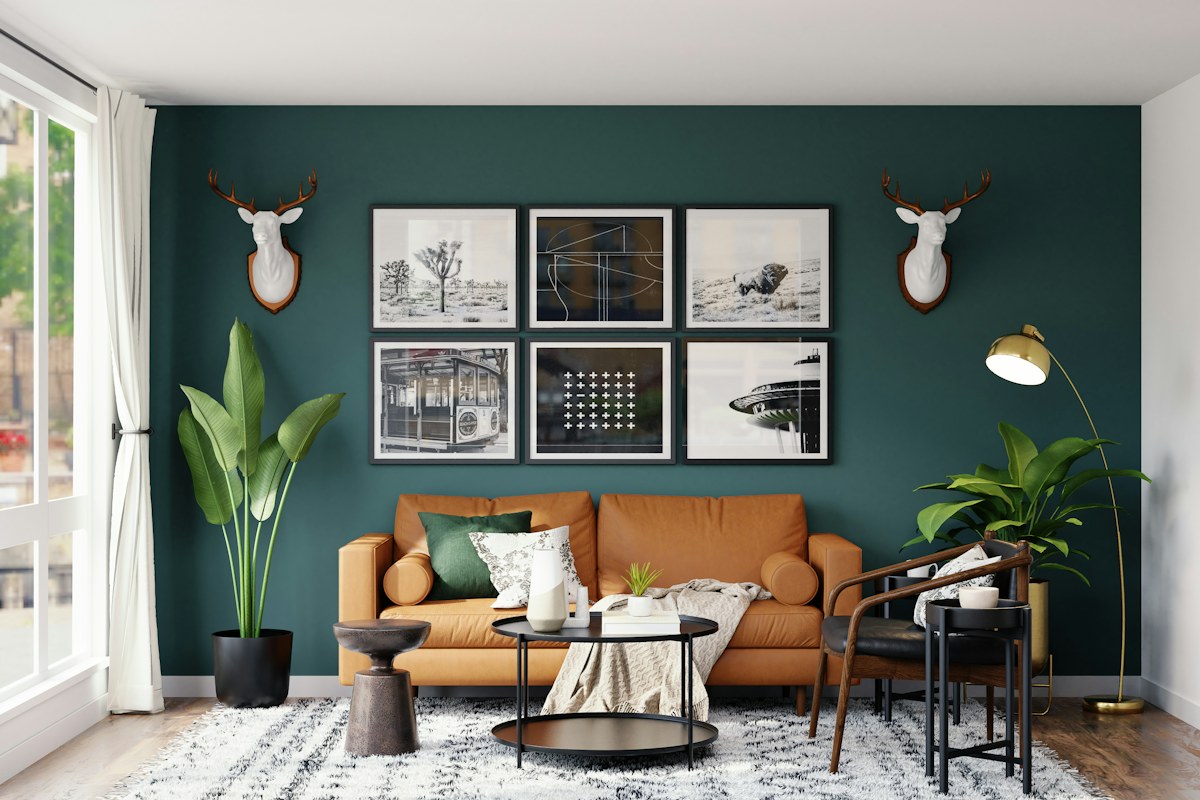
If several prints hang together, select one rather than trying to explain the whole arrangement. Look from an ordinary occupied position first. Notice which part draws your eye and whether it is the same feature you usually remember.
Leave the object in its appropriate place. You do not need to remove a frame, open a backing or handle something delicate for this activity. If a closer view is not practical, use the detail you can comfortably see from the available position.
Follow one visible relationship
Choose a line that crosses the image, a colour repeated in separate areas or the space between two forms. Trace the relationship in your attention and describe it in ordinary language. A brief note can say what connects without assigning a technical label you do not understand.
Then look at the rest of the image again. Does the chosen detail remain the centre of attention, or does another part become more noticeable? The change in your response is itself an observation, not proof that you have discovered the work's intended meaning.
Keep interpretation distinct from information
You may associate a shape with a place or feel that a colour changes the image's mood. State that as your response. A personal association does not establish the artist's intention, the subject's identity or the history of the original work.
Use reliable existing information if you want to explore those factual questions. Keep the actual title, maker and edition reference clear where available, leaving uncertain details open. A print does not need an impressive provenance story for a visible detail to interest you.
Make a small response if you want one
You could write a sentence about the relationship or make an original small arrangement inspired by a broad visual idea. Avoid reproducing the source as your own work or assuming that a looking exercise establishes permission for a wider use. The activity can remain a private note.
The hobby practice-note guide helps keep such a response connected to an actual question rather than another large unfinished project. You do not need to produce a finished piece to make the pause worthwhile.
Finish by returning the room to ordinary attention. If the object is borrowed, the decorative-object loan guide keeps handling and ownership on their own clear basis. Looking more closely does not change those responsibilities. The useful result is a specific detail you noticed in something already present, leaving the familiar print a little more readable without requiring a new display or a final interpretation.