This article may include affiliate links. We may earn a commission from purchases, at no extra cost to you. Read our disclosure.
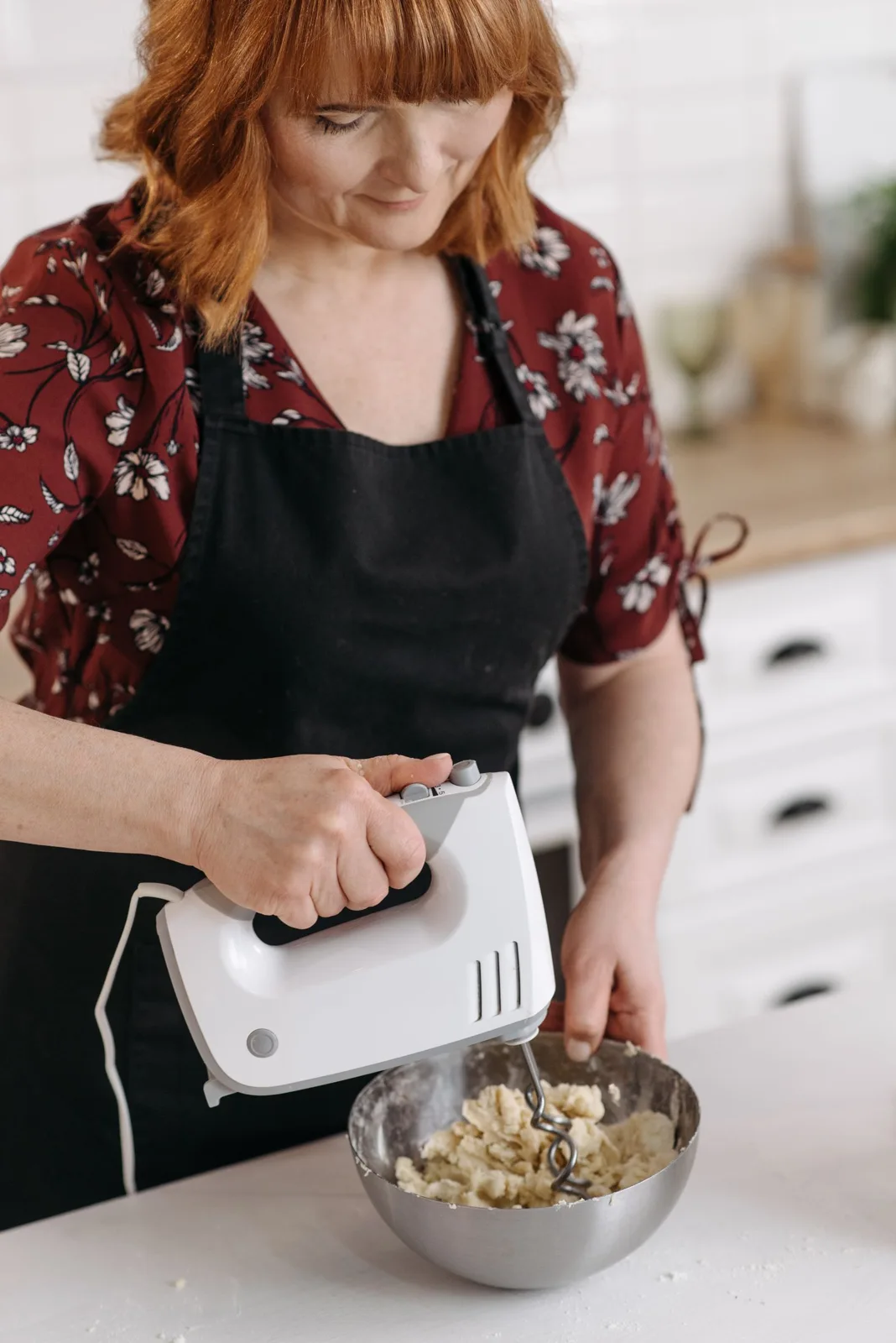
A missing or uncertain hand-mixer part is a question about the exact equipment, not simply an object that looks similar in a photograph. Identify the mixer and the part you mean before contacting the maker or another appropriate authorized source. A focused enquiry is more useful than purchasing through resemblance or asking someone to diagnose the whole appliance from an unclear image.
Establish the actual equipment reference
Use reliable information from the product, its documentation or the maker's appropriate identification process. Keep the exact model and relevant version details together. A broad brand name or the colour of the casing may not establish the item for which you need an answer.
Follow the product's safety and handling instructions while finding the information. This article does not provide repair, operating or electrical guidance. Do not dismantle or improvise a use of the equipment to make the enquiry more complete.
Name the part question in ordinary words
Explain whether you need identification, confirmation of an intended component or information about a replacement through the maker's process. Keep the observed issue separate from the cause you imagine. A part missing from your storage area is different from knowing that a particular component has failed.
If photographs are requested, provide the relevant clear views through the appropriate route. Include only the information needed and keep unrelated personal details out of the image. A small well-identified set can be easier to answer than many pictures with no explanation of what you want to establish.
Ask for the exact compatible reference
Use the source able to confirm the component for the actual mixer. Do not treat a similar attachment shape or an informal marketplace description as established compatibility. Keep the maker's answer and any relevant product reference intact rather than shortening it into an anonymous label in a drawer.
The coffee equipment instruction record offers a related way to keep guidance attached to the correct object. The principle applies here without assuming that different kitchen devices share requirements.
Keep the next action within the confirmed process
If the answer requires an authorized assessment or another step, follow that route instead of using the enquiry as permission to attempt a repair. If a component cannot be identified, leave the question open. A purchase is not a solution until the relevant information actually supports it.
The household repair waiting-list guide helps distinguish a task waiting for information from a job ready to carry out. That distinction can prevent an unresolved appliance question from becoming a collection of guessed parts.
Store the established reference with the equipment's actual documentation and return any associated items through their appropriate arrangement. Close the note when the question has a clear outcome, even if that outcome is not buying a replacement. A useful maker enquiry reduces uncertainty about the specific object while leaving technical decisions with the source qualified to establish them.